Charlies Angel Sweet Pea Plants
- Variety: Charlie's Angel
- Type: Spencer
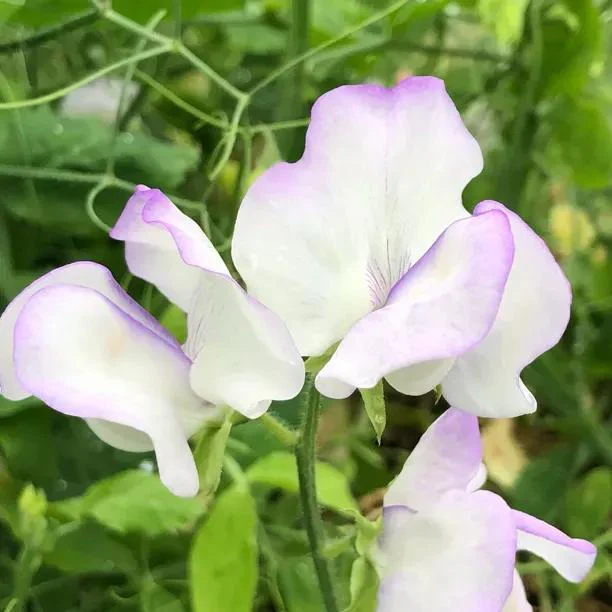
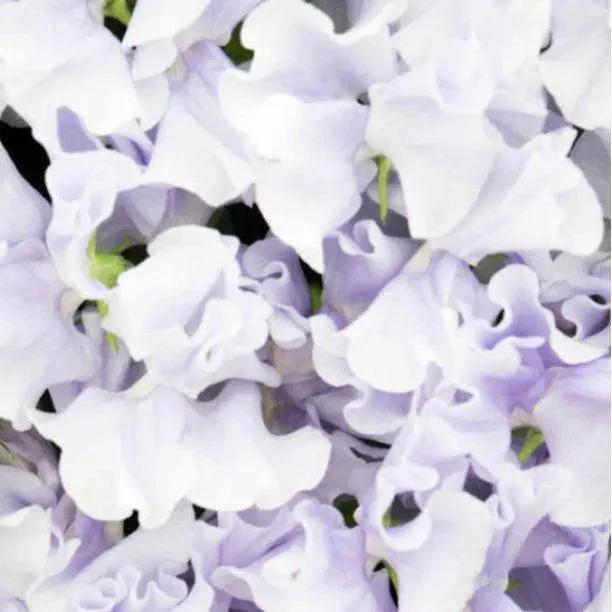
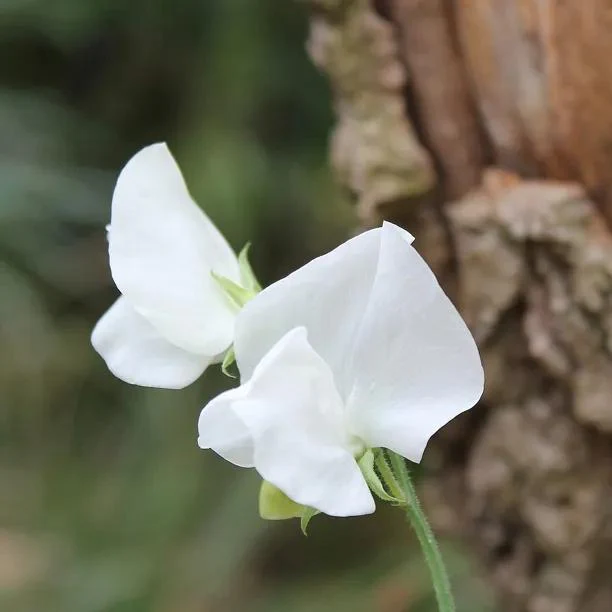
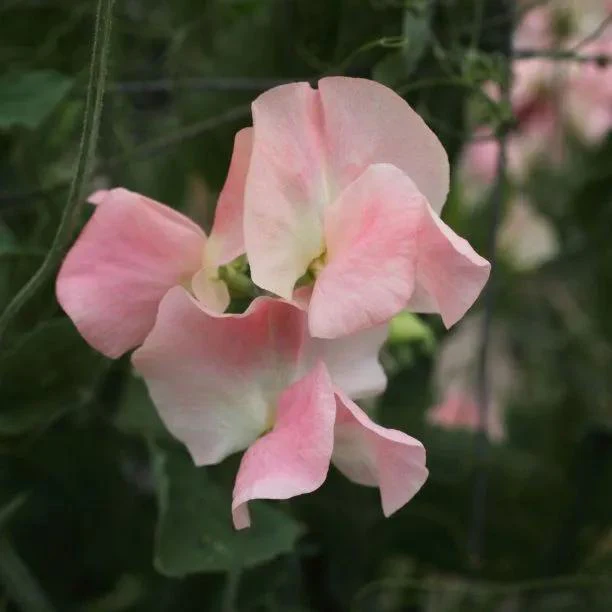
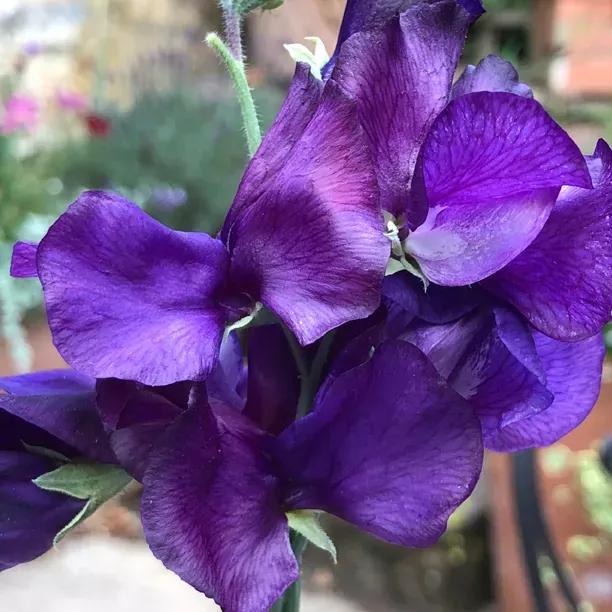
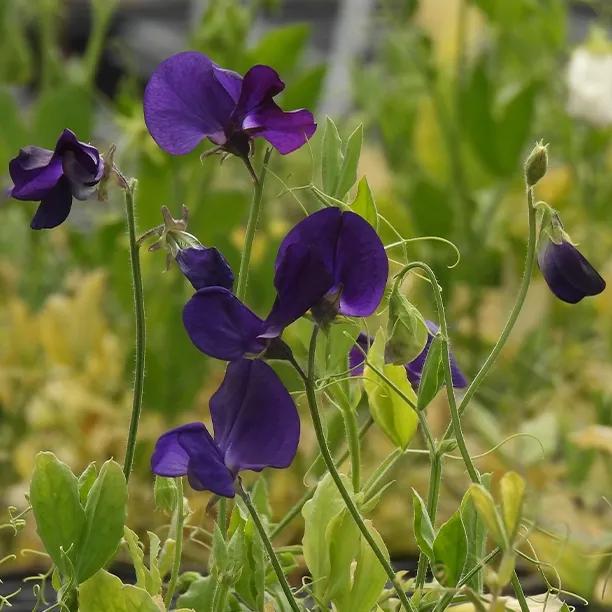
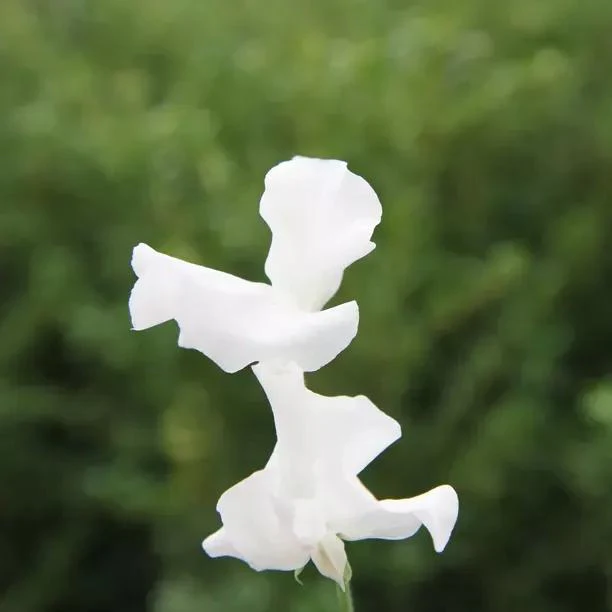
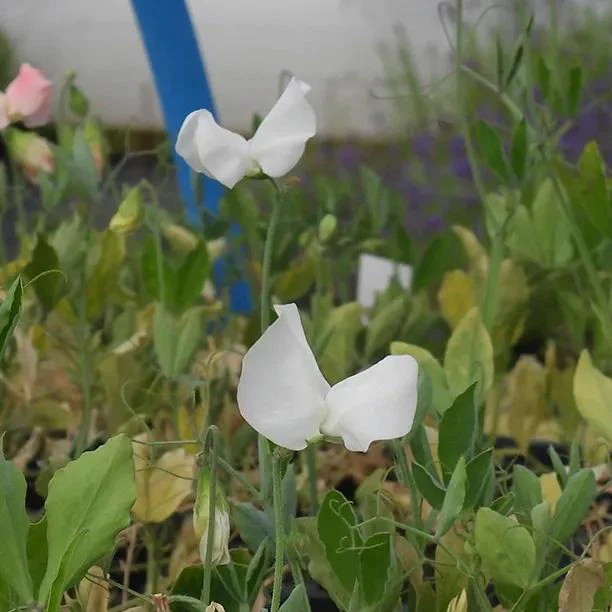
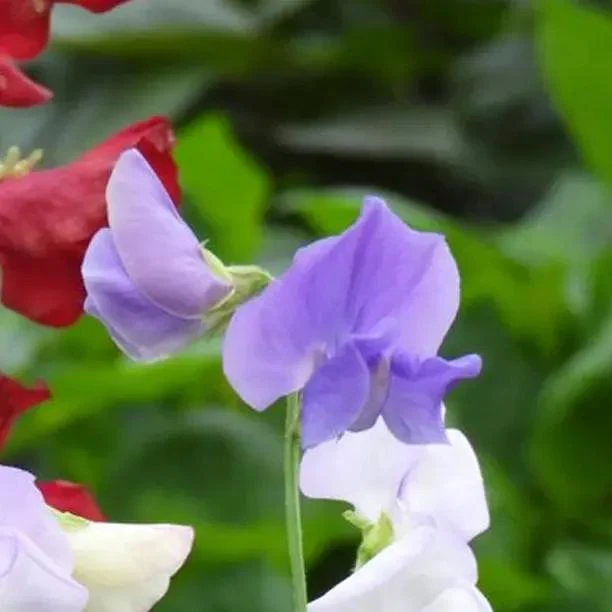
- Colour: Pale watercolour blue fading to white at the edges
- Scent: Medium. A clean, sweet fragrance that carries well
- Flowers: Wavy Spencer blooms with a soft, washed quality. Generous
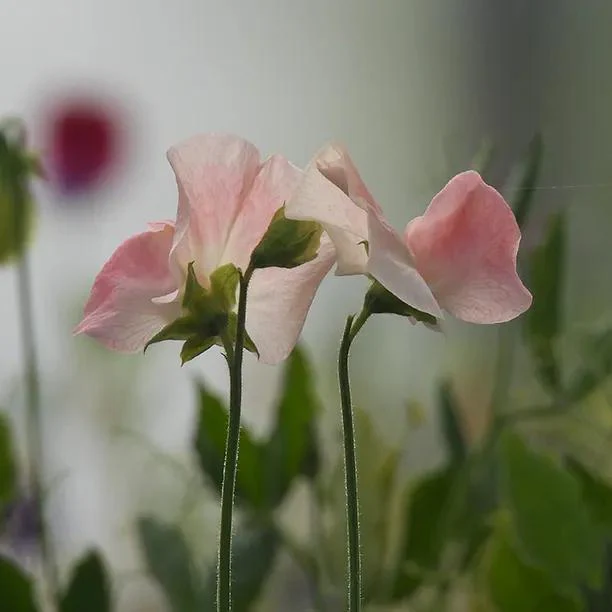
- Stems: Long and strong. One of the better cutting varieties
- Height: 2m (6–7ft) with support
- Flowering: June to September with regular picking
- RHS AGM: No, but BBC Gardeners' World voted it "Best Ever Sweet Pea" in 2011
- Show class: Spencer — NSPS Class 9b, Blue (Pale)
- Bred by: Matthewman
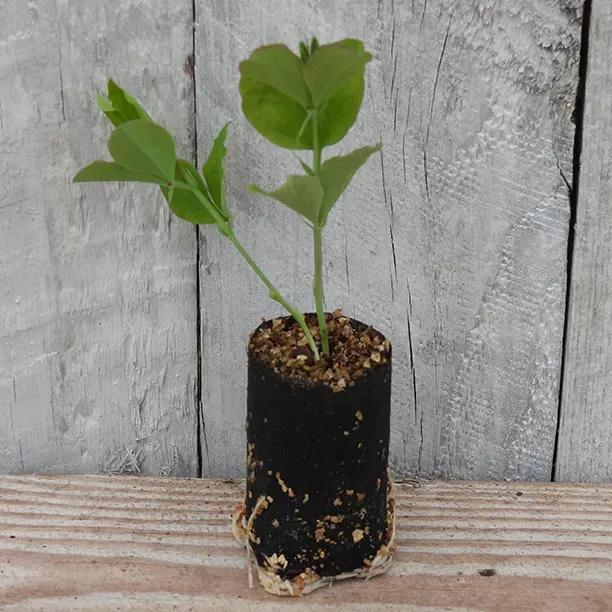
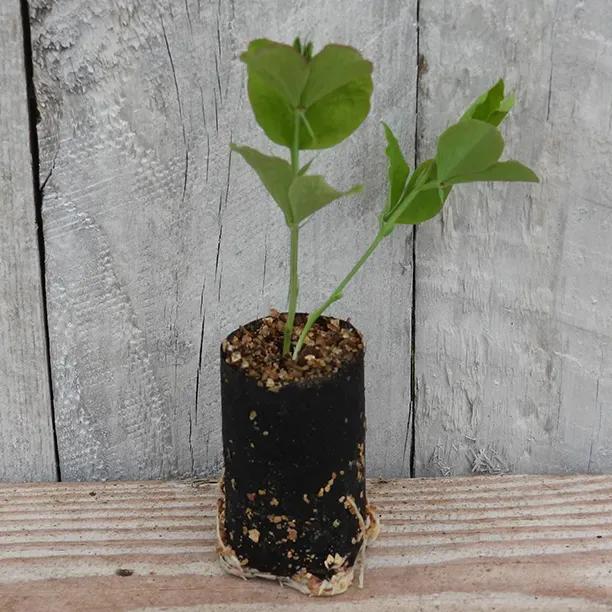
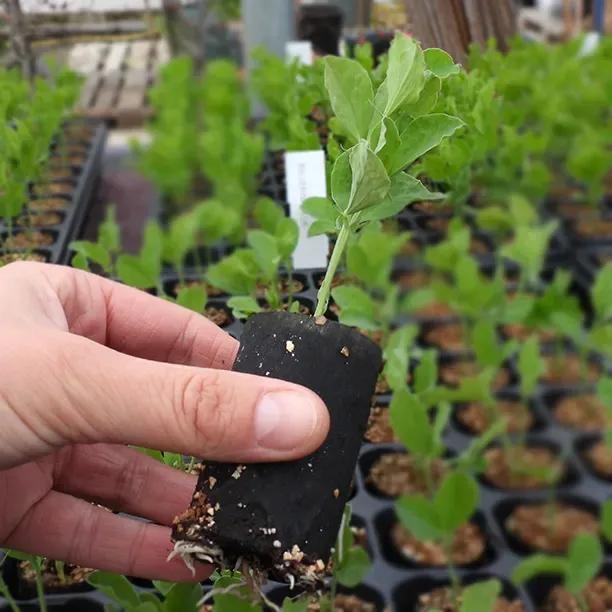
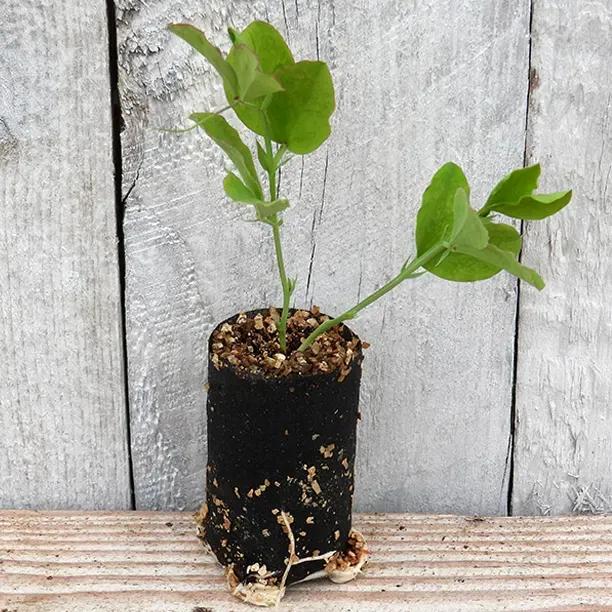
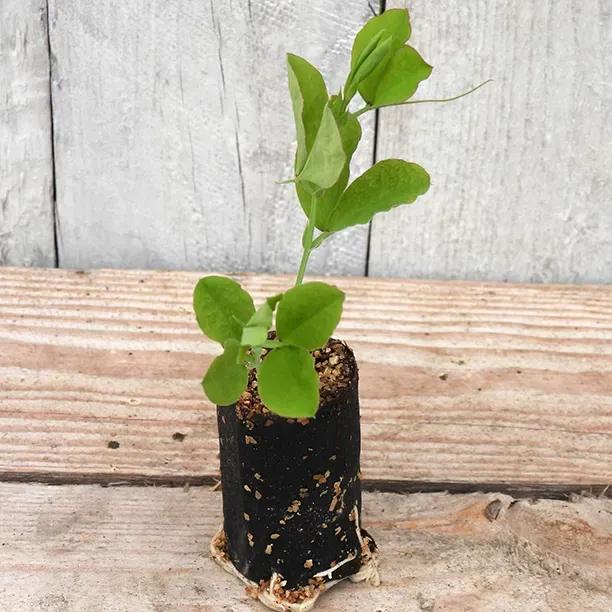
- Sold as: Jumbo plug plants, hand-sown by us
- Plant outdoors: After last frost
- Delivered: March to May by next-day courier. Collection from Castle Cary also available
Charlie's Angel – The Watercolour Blue
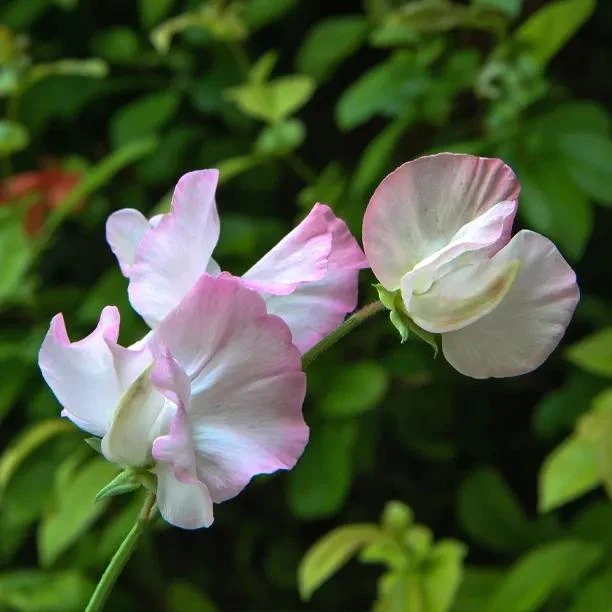
Some sweet peas hit you with colour. Charlie's Angel does the opposite. The flowers are a pale, washed blue. The blue of a shirt that has been through the laundry a hundred times, or a watercolour painting left in the rain. The pigment concentrates at the centre of each petal and fades almost to white at the margins, so the overall effect is soft, diffuse, and almost luminous. It is one of the prettiest sweet peas in our range, and BBC Gardeners' World magazine agreed when they voted it the best sweet pea of 2011.
That softness is deceptive. Charlie's Angel is a vigorous, reliable grower that climbs to 2m without fuss, produces long, strong stems, and flowers with the kind of persistence that makes it as useful in the cutting garden as it is in the border. The scent is a clean 3 on the Parsons scale, present and pleasant rather than overwhelming, which makes it a sociable neighbour in a mixed bunch where you want the fragrances to blend rather than compete. Matthewman bred it, and it has become one of the most popular pale blue sweet peas in commercial production. That popularity is not an accident. Some varieties look beautiful in photographs but disappoint in the garden; Charlie's Angel looks even better in person.
A Blue That Works Everywhere
The trouble with many blue sweet peas is that they lean too far towards purple or too far towards grey. Charlie's Angel manages to be genuinely blue: a soft, cool, clean blue that reads as blue from across the garden and still reads as blue in a vase under kitchen lighting. That consistency is a real asset if you are trying to plan a colour scheme. In a border, it provides the cool note that stops a warm planting from becoming oppressive. In a vase, it lifts cream and white varieties out of blandness. On its own, a generous bunch of Charlie's Angel in a clear glass jar on a white tablecloth is about as elegant as a sweet pea arrangement gets.
The fading at the petal edges gives each flower a watercolour quality that improves as blooms age. A stem carrying both fresh and older flowers shows a lovely gradation from deeper blue at the centre to near-white at the edges. The kind of subtle variation that photographers and flower arrangers particularly value. As a cutting sweet pea, it has the trifecta: long stems, good vase life, and a colour that complements practically everything.
Pairing Ideas
Charlie's Angel's pale blue makes it one of the most flexible companions in the range. For a classic contrast, pair it with Henry Thomas (rich crimson Spencer). Cool blue against warm red is always striking, and the softness of the lavender prevents the combination from looking garish. Valerie Harrod (coral-pink, AGM) provides a gentler warm-cool pairing, the coral and blue sitting together with the easy elegance of a sunset.
For a tonal scheme in blues and creams, grow it alongside Bristol (pale blue Spencer, AGM) and White Frills (clean white ruffles) on a shared obelisk. Three varieties that look as though they belong in a Dutch still-life. On a fence or pergola, thread Charlie's Angel through a rambling rose (something pale pink like Albertine or deep red like Crimson Shower) for two layers of flower and scent all summer.
Full growing, training, and feeding advice is in our sweet pea growing guide.
Why Buy Your Sweet Pea Seedlings from Ashridge?
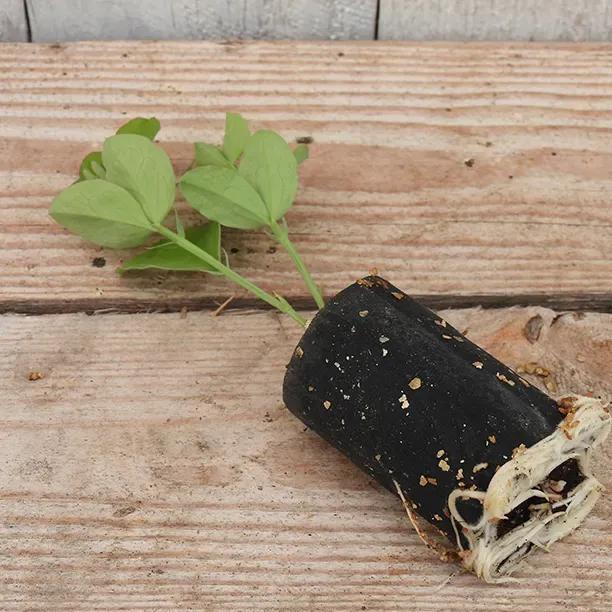
Our sweet peas are not mass-produced. The seed, which we collect ourselves, is hand-sown at two seeds per plug in our Somerset polytunnel. After germination, the weaker seedling is removed. Every plant is then pinched out to encourage bushy growth and hardened off before dispatch. What you are buying are sturdy, garden-ready jumbo plug plants that have had the best possible start.
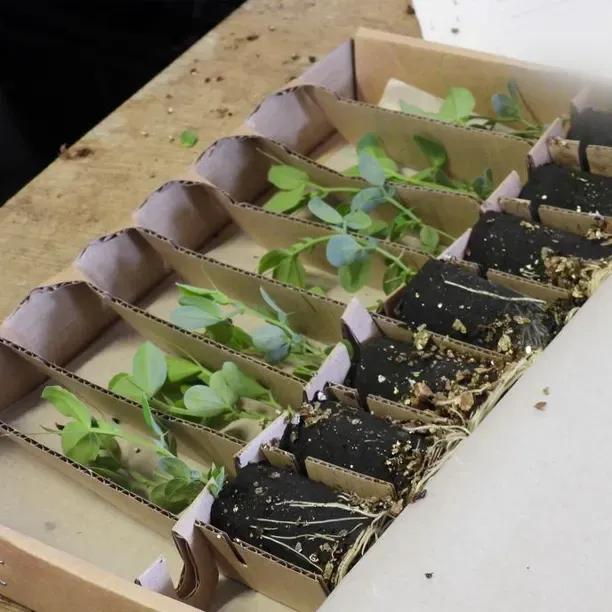
We send your sweet peas out by next-day courier between March and May, packed in purpose-designed recycled cardboard packaging. The moment they arrive, they are ready to go into the ground or a container. If anything is not right, we have real people on the phone in Somerset who will sort it out. We hold a Feefo Platinum Service Award and have been named a Which? Best Buy plant supplier , both earned from our customers, not our marketing team.
Frequently Asked Questions
What colour is Charlie's Angel?
A soft, washed pale blue, sometimes described as watercolour blue or pale lavender. The pigment fades towards white at the petal edges, giving each bloom a diffuse, luminous quality. One of the clearest true blues in the sweet pea range, without the purple lean that many 'blue' varieties show.
How fragrant is Charlie's Angel?
A 3 on the Parsons scale. Pleasant, clean, and noticeable without being overpowering. A good team player in a mixed bunch, contributing scent without drowning out more powerfully fragrant neighbours.
Is Charlie's Angel good for cutting?
One of the best because it has that priceless combination of long, strong stems, a colour that works with practically anything, and reliable vase life. The watercolour quality of the flowers develops beautifully over several days in water, with older blooms fading to near-white while fresh ones hold their blue.
Should I pinch out sweet pea plants?
Pinching the growing tip once seedlings have two or three pairs of true leaves encourages side shoots and a bushier, more floriferous plant. Our plug plants arrive already pinched out and hardened off, so no further pruning is needed at planting time. During the growing season, regular picking of flowers serves the same purpose. This prevents seed from setting and keeps the plant producing new buds.
Are sweet peas annuals?
All sweet peas are annuals. Charlie's Angel, like all other Lathyrus odoratus varieties, completes its life cycle in a single season. You will need fresh plants each spring, either from seed or from our ready-grown plug plants.
Product Information
Product Information
Shipping & Returns
Shipping & Returns
Description
- Variety: Charlie's Angel
- Type: Spencer
- Colour: Pale watercolour blue fading to white at the edges
- Scent: Medium. A clean, sweet fragrance that carries well
- Flowers: Wavy Spencer blooms with a soft, washed quality. Generous
- Stems: Long and strong. One of the better cutting varieties
- Height: 2m (6–7ft) with support
- Flowering: June to September with regular picking
- RHS AGM: No, but BBC Gardeners' World voted it "Best Ever Sweet Pea" in 2011
- Show class: Spencer — NSPS Class 9b, Blue (Pale)
- Bred by: Matthewman
- Sold as: Jumbo plug plants, hand-sown by us
- Plant outdoors: After last frost
- Delivered: March to May by next-day courier. Collection from Castle Cary also available
Charlie's Angel – The Watercolour Blue
Some sweet peas hit you with colour. Charlie's Angel does the opposite. The flowers are a pale, washed blue. The blue of a shirt that has been through the laundry a hundred times, or a watercolour painting left in the rain. The pigment concentrates at the centre of each petal and fades almost to white at the margins, so the overall effect is soft, diffuse, and almost luminous. It is one of the prettiest sweet peas in our range, and BBC Gardeners' World magazine agreed when they voted it the best sweet pea of 2011.
That softness is deceptive. Charlie's Angel is a vigorous, reliable grower that climbs to 2m without fuss, produces long, strong stems, and flowers with the kind of persistence that makes it as useful in the cutting garden as it is in the border. The scent is a clean 3 on the Parsons scale, present and pleasant rather than overwhelming, which makes it a sociable neighbour in a mixed bunch where you want the fragrances to blend rather than compete. Matthewman bred it, and it has become one of the most popular pale blue sweet peas in commercial production. That popularity is not an accident. Some varieties look beautiful in photographs but disappoint in the garden; Charlie's Angel looks even better in person.
A Blue That Works Everywhere
The trouble with many blue sweet peas is that they lean too far towards purple or too far towards grey. Charlie's Angel manages to be genuinely blue: a soft, cool, clean blue that reads as blue from across the garden and still reads as blue in a vase under kitchen lighting. That consistency is a real asset if you are trying to plan a colour scheme. In a border, it provides the cool note that stops a warm planting from becoming oppressive. In a vase, it lifts cream and white varieties out of blandness. On its own, a generous bunch of Charlie's Angel in a clear glass jar on a white tablecloth is about as elegant as a sweet pea arrangement gets.
The fading at the petal edges gives each flower a watercolour quality that improves as blooms age. A stem carrying both fresh and older flowers shows a lovely gradation from deeper blue at the centre to near-white at the edges. The kind of subtle variation that photographers and flower arrangers particularly value. As a cutting sweet pea, it has the trifecta: long stems, good vase life, and a colour that complements practically everything.
Pairing Ideas
Charlie's Angel's pale blue makes it one of the most flexible companions in the range. For a classic contrast, pair it with Henry Thomas (rich crimson Spencer). Cool blue against warm red is always striking, and the softness of the lavender prevents the combination from looking garish. Valerie Harrod (coral-pink, AGM) provides a gentler warm-cool pairing, the coral and blue sitting together with the easy elegance of a sunset.
For a tonal scheme in blues and creams, grow it alongside Bristol (pale blue Spencer, AGM) and White Frills (clean white ruffles) on a shared obelisk. Three varieties that look as though they belong in a Dutch still-life. On a fence or pergola, thread Charlie's Angel through a rambling rose (something pale pink like Albertine or deep red like Crimson Shower) for two layers of flower and scent all summer.
Full growing, training, and feeding advice is in our sweet pea growing guide.
Why Buy Your Sweet Pea Seedlings from Ashridge?
Our sweet peas are not mass-produced. The seed, which we collect ourselves, is hand-sown at two seeds per plug in our Somerset polytunnel. After germination, the weaker seedling is removed. Every plant is then pinched out to encourage bushy growth and hardened off before dispatch. What you are buying are sturdy, garden-ready jumbo plug plants that have had the best possible start.
We send your sweet peas out by next-day courier between March and May, packed in purpose-designed recycled cardboard packaging. The moment they arrive, they are ready to go into the ground or a container. If anything is not right, we have real people on the phone in Somerset who will sort it out. We hold a Feefo Platinum Service Award and have been named a Which? Best Buy plant supplier , both earned from our customers, not our marketing team.
Frequently Asked Questions
What colour is Charlie's Angel?
A soft, washed pale blue, sometimes described as watercolour blue or pale lavender. The pigment fades towards white at the petal edges, giving each bloom a diffuse, luminous quality. One of the clearest true blues in the sweet pea range, without the purple lean that many 'blue' varieties show.
How fragrant is Charlie's Angel?
A 3 on the Parsons scale. Pleasant, clean, and noticeable without being overpowering. A good team player in a mixed bunch, contributing scent without drowning out more powerfully fragrant neighbours.
Is Charlie's Angel good for cutting?
One of the best because it has that priceless combination of long, strong stems, a colour that works with practically anything, and reliable vase life. The watercolour quality of the flowers develops beautifully over several days in water, with older blooms fading to near-white while fresh ones hold their blue.
Should I pinch out sweet pea plants?
Pinching the growing tip once seedlings have two or three pairs of true leaves encourages side shoots and a bushier, more floriferous plant. Our plug plants arrive already pinched out and hardened off, so no further pruning is needed at planting time. During the growing season, regular picking of flowers serves the same purpose. This prevents seed from setting and keeps the plant producing new buds.
Are sweet peas annuals?
All sweet peas are annuals. Charlie's Angel, like all other Lathyrus odoratus varieties, completes its life cycle in a single season. You will need fresh plants each spring, either from seed or from our ready-grown plug plants.