Apricotta Cosmos Plants
- Variety: Cosmos bipinnatus 'Apricotta'
- Common name: Cosmos / Cosmea / Mexican Aster
- Type: Half-hardy annual
- Flower form: Single
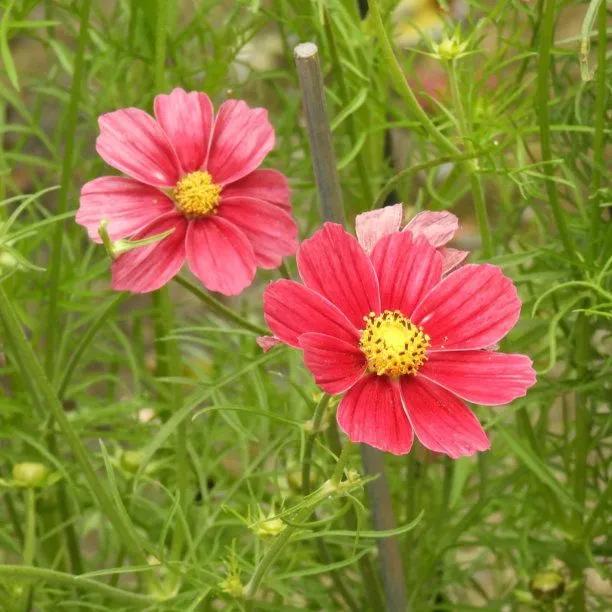
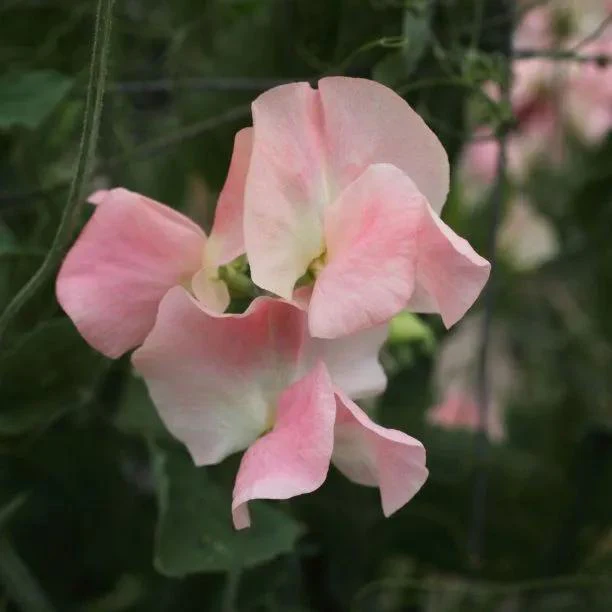
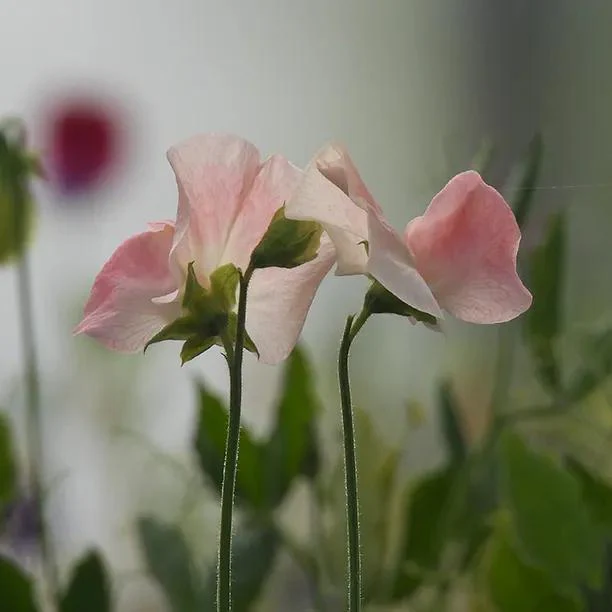
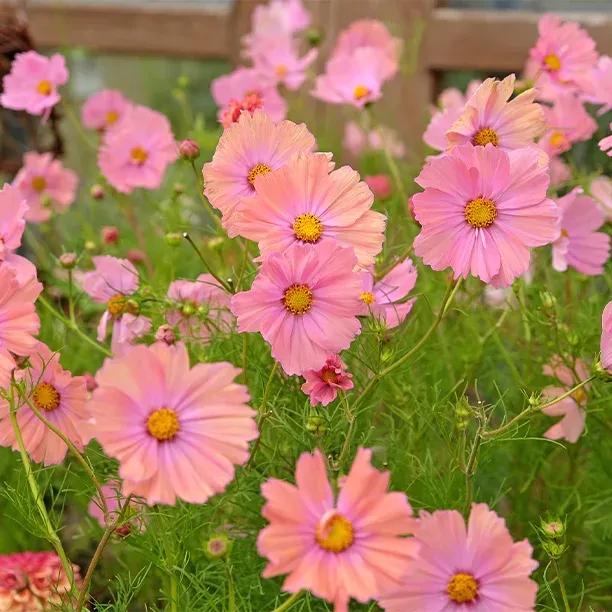
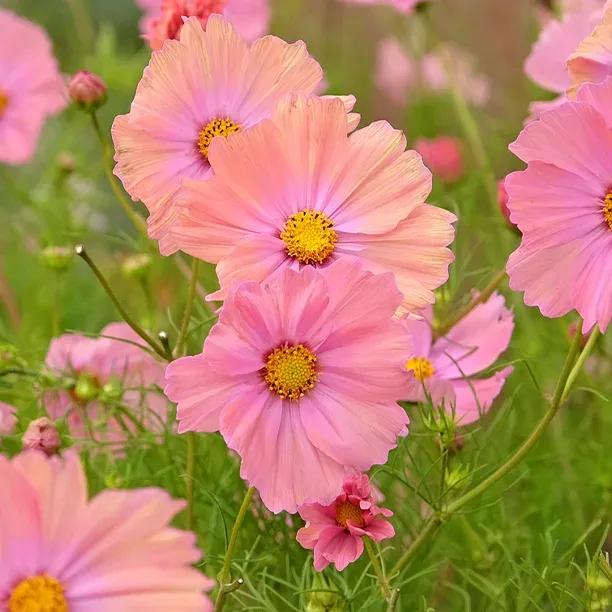
- Colour: Pale apricot-peach flushed soft pink
- Height: 80–100 cm (32–40 in)
- Flowering period: June–October
- Position: Full sun (minimum 6 hours)
- Soil: Well-drained, ordinary to poor fertility
- Spacing: 30 cm (12 in)
- Good for cutting: Yes – excellent
- Container suitable: Yes, with support in a large pot
- Awards: Fleuroselect Novelty 2021
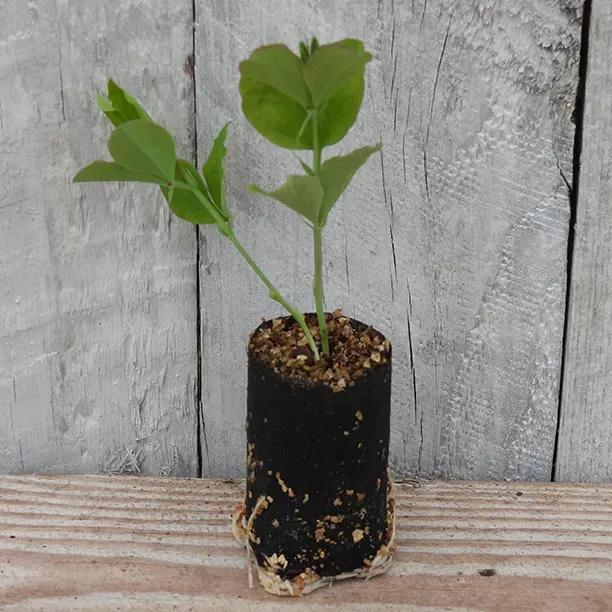
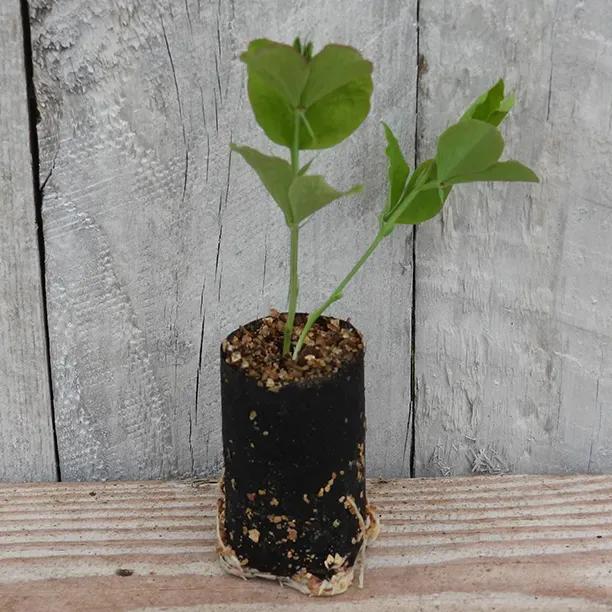
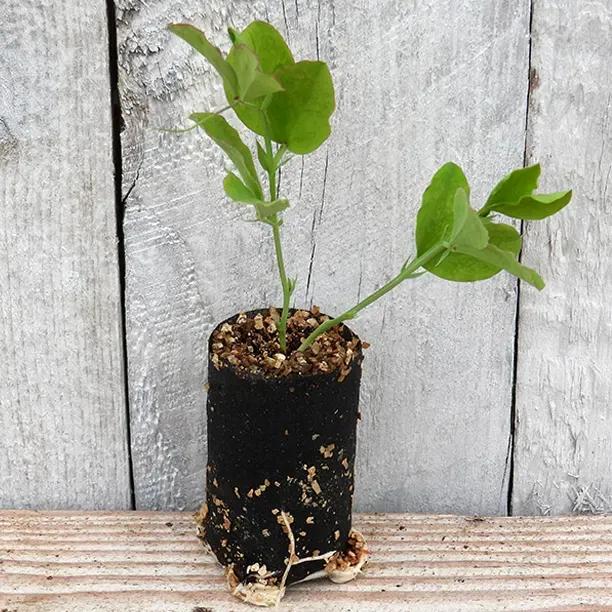
- Sold as: Jumbo plug seedlings, hand-sown by us
- Plant outdoors: After last frost (mid-May in most areas)
- Delivered: Late April to May by next-day courier. Collection from Castle Cary also available
Apricotta – A Colour Breakthrough in Cosmos
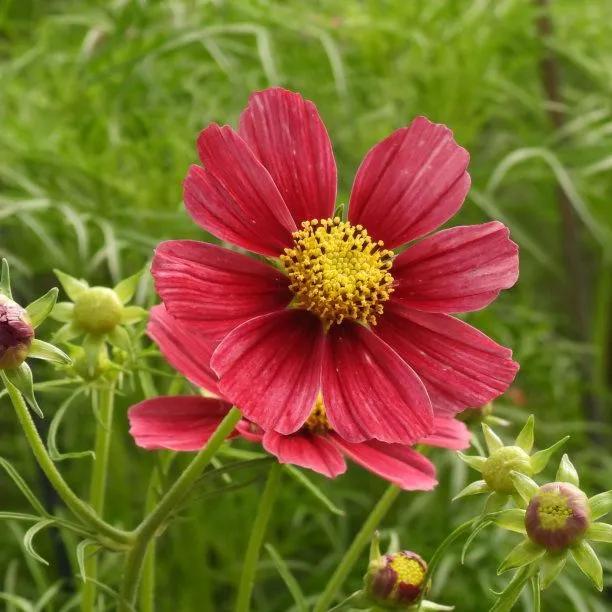
Cosmos first arrived in Britain in 1789, carried as seeds by the wife of the English ambassador to Spain, and promptly flopped. The cold climate defeated it, and it took another century of breeding before varieties emerged that could cope with British gardens. Even then, the palette stayed narrow: pink, white, or crimson. Yellow arrived with Xanthos in 2016. And then Apricotta won a Fleuroselect Novelty award in 2021 for something that had never been achieved in Cosmos bipinnatus: a warm apricot-peach that shifts to soft pink as each bloom ages.
The genus contains around 35 species, 33 of them found only in the Mexican highlands where the plant originated, and that wild genetic diversity is still being explored by breeders. Apricotta is one result. It is a tall, rangy variety, reaching about a metre, with long stems that suit big vases where they can arch and the flowers sit at different heights. The colour has an iridescent quality that shifts with the light. In the morning it reads as pale peach; by late afternoon the pink flush comes forward. The finely cut foliage is bright green and feathery, and even before the first buds appear the plants look good.
What to Plant with Cosmos Apricotta
Apricotta's warm tones call for either contrast or echo. For contrast, Velouette (deep crimson-mahogany stripes) is excellent: the dark and light play off each other without clashing. Dazzler gives a bolder, more saturated crimson for a stronger contrast. Both are tall enough to stand alongside Apricotta in the middle or back of a border.
For a naturalistic scheme, plant Apricotta through ornamental grasses like Stipa tenuissima. The grasses pick up any breeze and give the whole planting movement, while the warm cosmos flowers glow above the blonde seedheads. Both love sun and lean soil, so the partnership is practical as well as pretty. In a cutting garden, Apricotta's long stems and unusual colour make it a valuable addition alongside more conventional pinks and whites. The warm tone is rare among cut flowers and stands out in a mixed bunch.
What Makes Ashridge Cosmos Different?
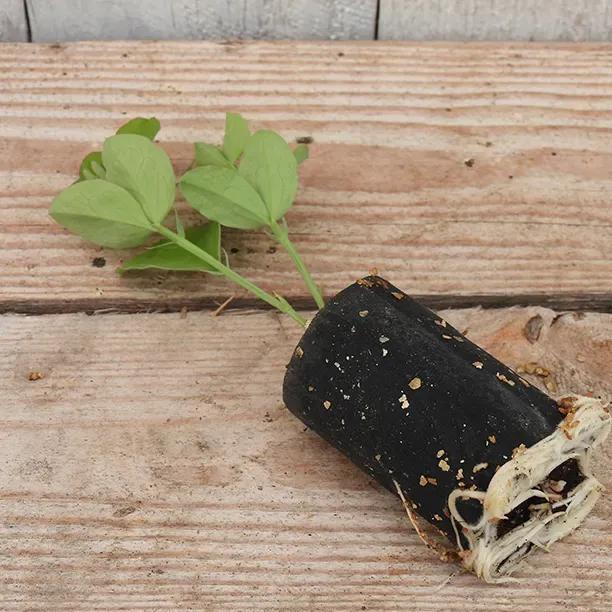
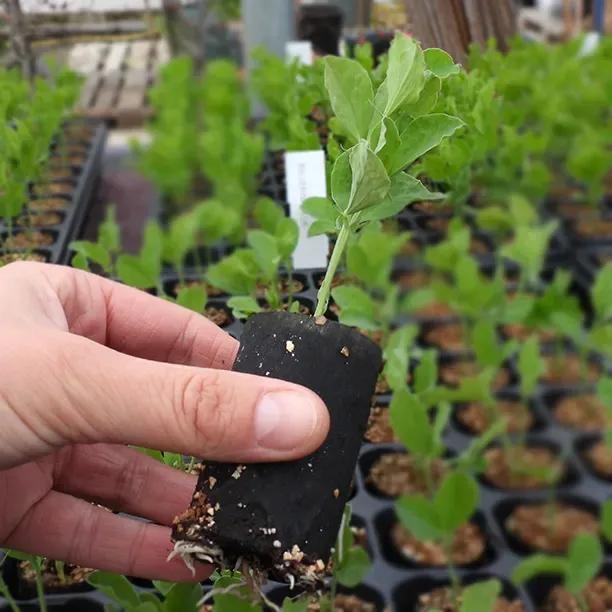
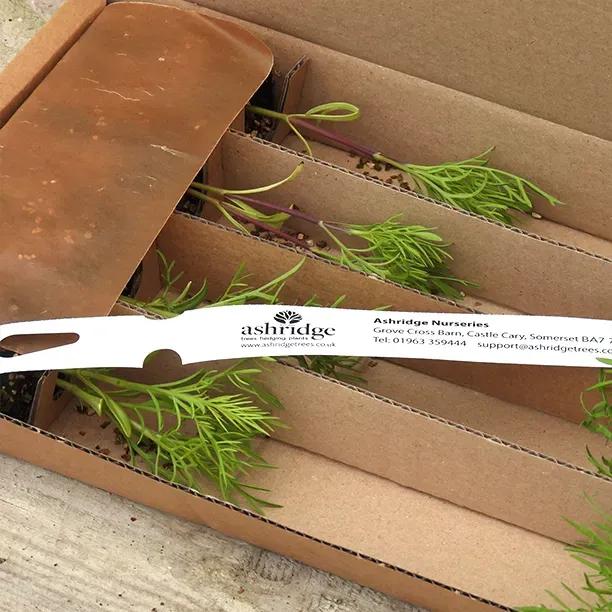
Your cosmos seedlings start life in our polytunnels in Somerset. We buy in the best seed each year and hand-sow every plug ourselves. No contract growing, no third-party nurseries. Every plant is grown on and hardened off before dispatch, so what arrives at your door is a sturdy jumbo plug ready for the garden.
We send everything by next-day courier from late April, timed so your plants arrive when outdoor conditions are right. If anything arrives damaged or fails within the guarantee period, we will replace it. Gardeners in Somerset who grew the plants also answer the phone.
Frequently Asked Questions
How tall does Cosmos Apricotta grow?
Apricotta reaches 80–100 cm (about 3 ft), making it one of the taller cosmos. It benefits from support put in at planting time. Pea sticks or horizontal netting at 30–40 cm work well. In exposed gardens, plant it behind a shorter variety like Sonata White for some wind shelter. For full growing advice, see our cosmos growing guide.
What is the Fleuroselect award?
Fleuroselect is a European organisation that trials new flower varieties across multiple test sites before awarding its gold medals and novelty awards. Apricotta won the Novelty award in 2021 for achieving a new colour in Cosmos bipinnatus. It is an independent, professional endorsement that the variety performs well across a range of European growing conditions, not just in one trial garden.
What looks good planted with Cosmos Apricotta?
Apricotta's warm apricot tones pair well with deep crimson cosmos like Velouette or Dazzler for strong contrast, or with soft pinks like Daydream for a tonal blend. Outside the cosmos family, ornamental grasses add movement and textural contrast. Browse the full range in our cosmos collection.
Is Cosmos Apricotta good for cutting?
Apricotta is an excellent cut flower. The tall, long stems suit big vases where they can arch naturally. Cut in the morning when blooms have just fully opened. Vase life is typically 7–10 days. The warm colour is unusual among cut flowers and works well in autumnal arrangements alongside dahlias and seedheads. For compact cosmos in smaller arrangements, see our guide to growing cosmos in pots.
When can I plant out my Cosmos Apricotta seedlings?
After the last frost, which in most of the UK means mid to late May. Cosmos are half-hardy and will not tolerate cold nights. If a late frost is forecast after planting, cover the plants overnight with fleece. In the south you can sometimes risk mid-May; in the north and Scotland, leave it until early June to be safe. The plants establish quickly in warm soil and will be flowering within a few weeks of planting out.
Product Information
Product Information
Shipping & Returns
Shipping & Returns
Description
- Variety: Cosmos bipinnatus 'Apricotta'
- Common name: Cosmos / Cosmea / Mexican Aster
- Type: Half-hardy annual
- Flower form: Single
- Colour: Pale apricot-peach flushed soft pink
- Height: 80–100 cm (32–40 in)
- Flowering period: June–October
- Position: Full sun (minimum 6 hours)
- Soil: Well-drained, ordinary to poor fertility
- Spacing: 30 cm (12 in)
- Good for cutting: Yes – excellent
- Container suitable: Yes, with support in a large pot
- Awards: Fleuroselect Novelty 2021
- Sold as: Jumbo plug seedlings, hand-sown by us
- Plant outdoors: After last frost (mid-May in most areas)
- Delivered: Late April to May by next-day courier. Collection from Castle Cary also available
Apricotta – A Colour Breakthrough in Cosmos
Cosmos first arrived in Britain in 1789, carried as seeds by the wife of the English ambassador to Spain, and promptly flopped. The cold climate defeated it, and it took another century of breeding before varieties emerged that could cope with British gardens. Even then, the palette stayed narrow: pink, white, or crimson. Yellow arrived with Xanthos in 2016. And then Apricotta won a Fleuroselect Novelty award in 2021 for something that had never been achieved in Cosmos bipinnatus: a warm apricot-peach that shifts to soft pink as each bloom ages.
The genus contains around 35 species, 33 of them found only in the Mexican highlands where the plant originated, and that wild genetic diversity is still being explored by breeders. Apricotta is one result. It is a tall, rangy variety, reaching about a metre, with long stems that suit big vases where they can arch and the flowers sit at different heights. The colour has an iridescent quality that shifts with the light. In the morning it reads as pale peach; by late afternoon the pink flush comes forward. The finely cut foliage is bright green and feathery, and even before the first buds appear the plants look good.
What to Plant with Cosmos Apricotta
Apricotta's warm tones call for either contrast or echo. For contrast, Velouette (deep crimson-mahogany stripes) is excellent: the dark and light play off each other without clashing. Dazzler gives a bolder, more saturated crimson for a stronger contrast. Both are tall enough to stand alongside Apricotta in the middle or back of a border.
For a naturalistic scheme, plant Apricotta through ornamental grasses like Stipa tenuissima. The grasses pick up any breeze and give the whole planting movement, while the warm cosmos flowers glow above the blonde seedheads. Both love sun and lean soil, so the partnership is practical as well as pretty. In a cutting garden, Apricotta's long stems and unusual colour make it a valuable addition alongside more conventional pinks and whites. The warm tone is rare among cut flowers and stands out in a mixed bunch.
What Makes Ashridge Cosmos Different?
Your cosmos seedlings start life in our polytunnels in Somerset. We buy in the best seed each year and hand-sow every plug ourselves. No contract growing, no third-party nurseries. Every plant is grown on and hardened off before dispatch, so what arrives at your door is a sturdy jumbo plug ready for the garden.
We send everything by next-day courier from late April, timed so your plants arrive when outdoor conditions are right. If anything arrives damaged or fails within the guarantee period, we will replace it. Gardeners in Somerset who grew the plants also answer the phone.
Frequently Asked Questions
How tall does Cosmos Apricotta grow?
Apricotta reaches 80–100 cm (about 3 ft), making it one of the taller cosmos. It benefits from support put in at planting time. Pea sticks or horizontal netting at 30–40 cm work well. In exposed gardens, plant it behind a shorter variety like Sonata White for some wind shelter. For full growing advice, see our cosmos growing guide.
What is the Fleuroselect award?
Fleuroselect is a European organisation that trials new flower varieties across multiple test sites before awarding its gold medals and novelty awards. Apricotta won the Novelty award in 2021 for achieving a new colour in Cosmos bipinnatus. It is an independent, professional endorsement that the variety performs well across a range of European growing conditions, not just in one trial garden.
What looks good planted with Cosmos Apricotta?
Apricotta's warm apricot tones pair well with deep crimson cosmos like Velouette or Dazzler for strong contrast, or with soft pinks like Daydream for a tonal blend. Outside the cosmos family, ornamental grasses add movement and textural contrast. Browse the full range in our cosmos collection.
Is Cosmos Apricotta good for cutting?
Apricotta is an excellent cut flower. The tall, long stems suit big vases where they can arch naturally. Cut in the morning when blooms have just fully opened. Vase life is typically 7–10 days. The warm colour is unusual among cut flowers and works well in autumnal arrangements alongside dahlias and seedheads. For compact cosmos in smaller arrangements, see our guide to growing cosmos in pots.
When can I plant out my Cosmos Apricotta seedlings?
After the last frost, which in most of the UK means mid to late May. Cosmos are half-hardy and will not tolerate cold nights. If a late frost is forecast after planting, cover the plants overnight with fleece. In the south you can sometimes risk mid-May; in the north and Scotland, leave it until early June to be safe. The plants establish quickly in warm soil and will be flowering within a few weeks of planting out.