White Japanese Ramanas Rose Hedging
White Japanese Ramanas Rose Hedging
Rugosa roses aren't native and are a Schedule 9 plant: only for garden use. It's illegal to plant them out in the wild, like a country hedge.
Before they were added to the schedule in 2010, they were widely recommended for sandy and rocky coastal gardens where they perform almost as well as Gorse, but don't seed around as much.
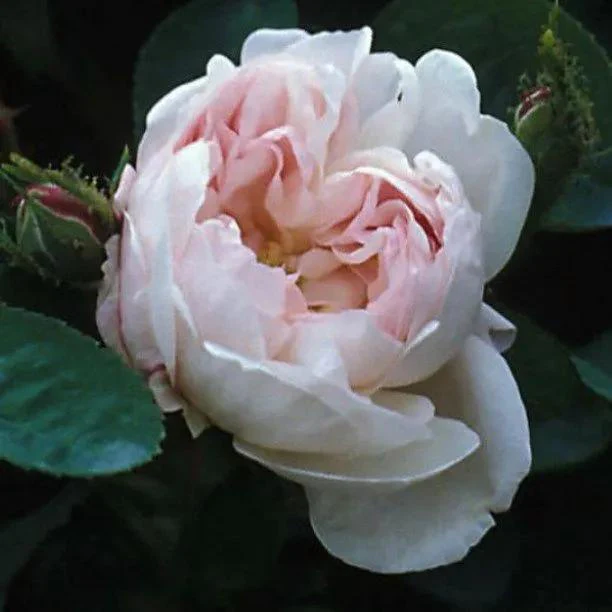
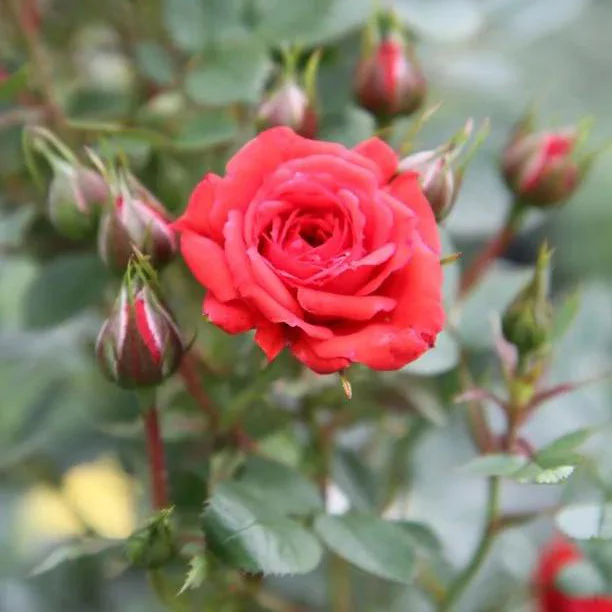
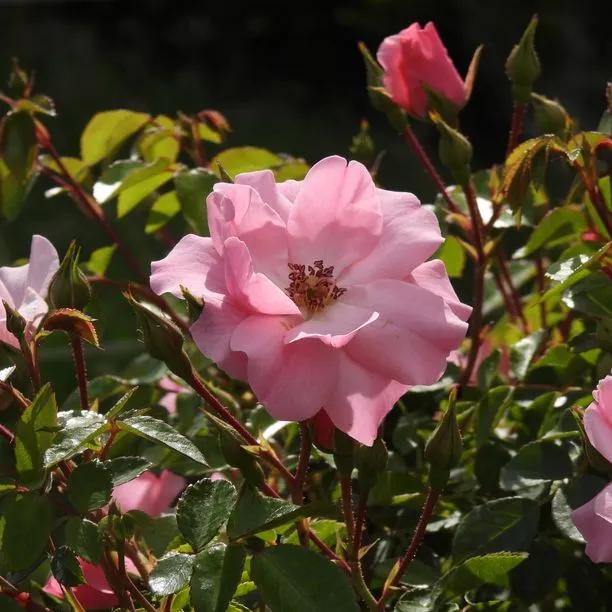
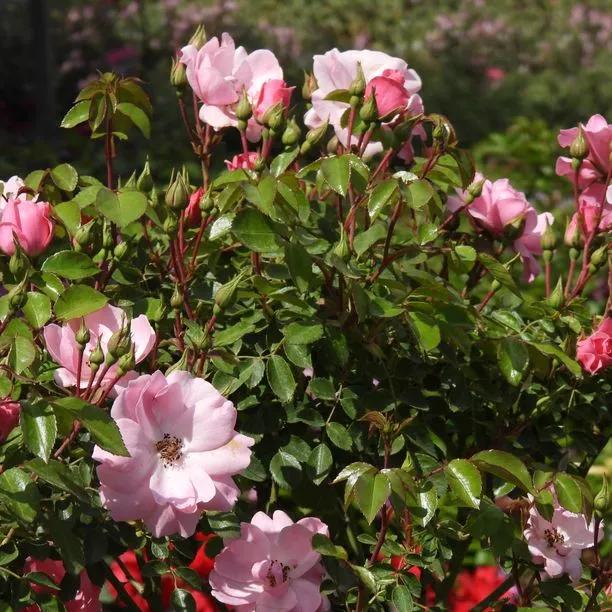
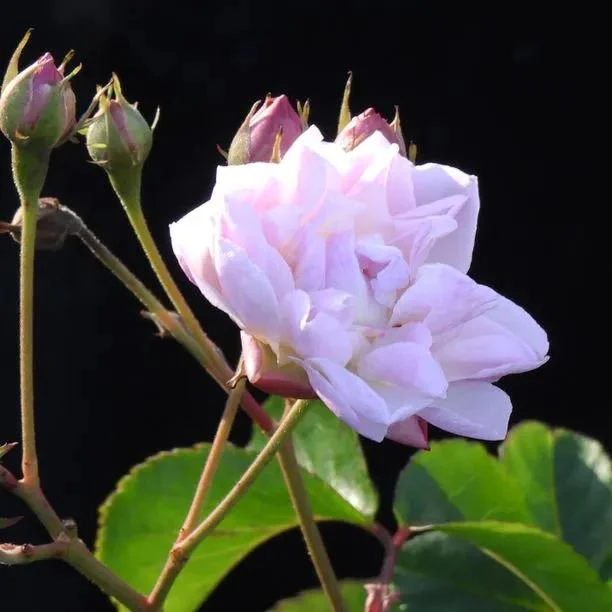
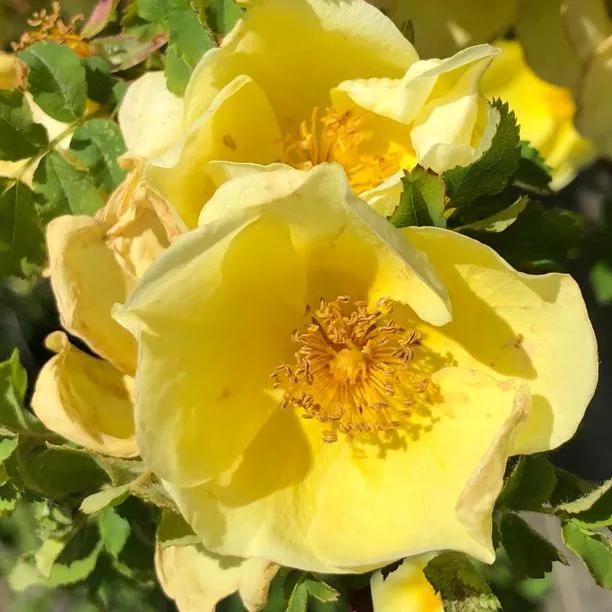
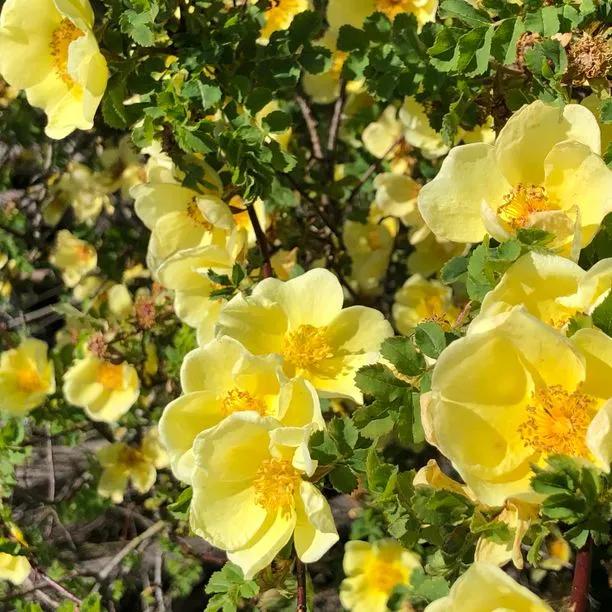
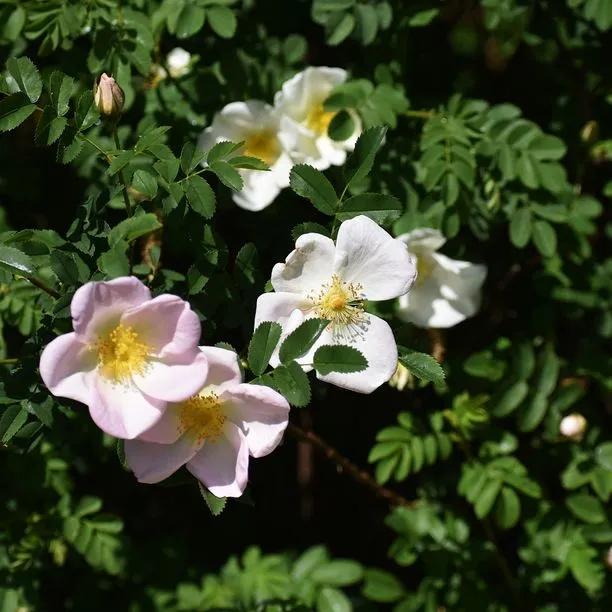
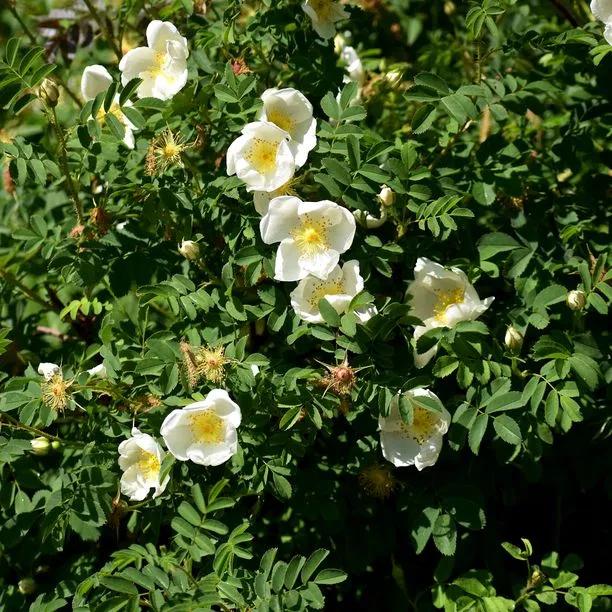
Rosa rugosa Alba is an ideal rose for hedging or wildlife gardens. Its lovely white, single blooms, up to 9cm wide, have silky, wrinkled petals and golden-yellow stamens in summer, followed by large, orange-red hips in late summer-autumn.
It's "aggressively informal", for a tidier plant that also works well as a hedge browse the larger sized shrub roses.
White Ramanas is often mixed with Red Ramanas Flowers have a lovely strong, old-rose fragrance and the leaves are glossy, lush and healthy-looking. For a rose with simple flowers, it has many names, which can often lead to confusion.
It's an exceptionally tough plant and disease resistant, growing in temperatures well below -20C in its home in north-eastern Asia, often in pure sand on dunes. It has very thorny, densely-packed stems, ideal for creating impenetrable hedges, especially on poor soil in coastal areas. Rugosas are extremely hardy and disease resistant, and will thrive in poor sandy soils and coastal areas - even growing on sand dunes. They're usually very thorny; ideal for creating impenetrable hedges on our poor, salt-laden seaside soils. Salt-laden winds aren't a problem either. It'll also tolerate partial shade and exposed sites.
Garden Design Ideas
If you want a hedge to attract wildlife, Rosa rugosa Alba is an ideal choice, growing up to about 2 metres high. It can be interplanted with the red Rugosa rose for more colour. To increase the appeal to bees, birds, small mammals and other pollinators, add hawthorn and blackthorn. This is also easier to keep in trim if you need to cut it back.
Rosa rugosa Alba looks great in an informal garden or seaside cottage garden setting - in a large border, single plants can be used but make sure the thorns are well away from path edges or other plants with delicate, large leaves, or they'll be ruined. If the hips last into late autumn/early winter, depending on how hungry your garden animals are, they look great against the dull copper/brown of winter beech leaves.
Features
- Size: 2m (h) x 1.5 (w)
- Colour: White with yellow stamens, 9cm wide
- Flower type: Single
- Scent: Strong, Old Rose
- Flowering: June-September
- Group: Rugosa Shrub
- Good for hedging, wildlife gardens
- Attractive, large red hips in autumn
- Very thorny
- Disease resistant
- Suitable for extreme environments, poor but well-drained soil and coastal winds
History & Trivia
Native to north-eastern China, Japan, Korea and south-eastern Siberia, where it grows in very harsh climates on the coast, often on sand dunes, which, along with its thorns, makes it such a tough hedging plant.
Rosa rugosa Alba, the white Japanese Ramanas rose, and in some old books "the white wrinkled rose", as 'rugosa' means wrinkled. In Japan, they're Shore Pears.
Product Information
Product Information
Shipping & Returns
Shipping & Returns
Description
White Japanese Ramanas Rose Hedging
Rugosa roses aren't native and are a Schedule 9 plant: only for garden use. It's illegal to plant them out in the wild, like a country hedge.
Before they were added to the schedule in 2010, they were widely recommended for sandy and rocky coastal gardens where they perform almost as well as Gorse, but don't seed around as much.
Rosa rugosa Alba is an ideal rose for hedging or wildlife gardens. Its lovely white, single blooms, up to 9cm wide, have silky, wrinkled petals and golden-yellow stamens in summer, followed by large, orange-red hips in late summer-autumn.
It's "aggressively informal", for a tidier plant that also works well as a hedge browse the larger sized shrub roses.
White Ramanas is often mixed with Red Ramanas Flowers have a lovely strong, old-rose fragrance and the leaves are glossy, lush and healthy-looking. For a rose with simple flowers, it has many names, which can often lead to confusion.
It's an exceptionally tough plant and disease resistant, growing in temperatures well below -20C in its home in north-eastern Asia, often in pure sand on dunes. It has very thorny, densely-packed stems, ideal for creating impenetrable hedges, especially on poor soil in coastal areas. Rugosas are extremely hardy and disease resistant, and will thrive in poor sandy soils and coastal areas - even growing on sand dunes. They're usually very thorny; ideal for creating impenetrable hedges on our poor, salt-laden seaside soils. Salt-laden winds aren't a problem either. It'll also tolerate partial shade and exposed sites.
Garden Design Ideas
If you want a hedge to attract wildlife, Rosa rugosa Alba is an ideal choice, growing up to about 2 metres high. It can be interplanted with the red Rugosa rose for more colour. To increase the appeal to bees, birds, small mammals and other pollinators, add hawthorn and blackthorn. This is also easier to keep in trim if you need to cut it back.
Rosa rugosa Alba looks great in an informal garden or seaside cottage garden setting - in a large border, single plants can be used but make sure the thorns are well away from path edges or other plants with delicate, large leaves, or they'll be ruined. If the hips last into late autumn/early winter, depending on how hungry your garden animals are, they look great against the dull copper/brown of winter beech leaves.
Features
- Size: 2m (h) x 1.5 (w)
- Colour: White with yellow stamens, 9cm wide
- Flower type: Single
- Scent: Strong, Old Rose
- Flowering: June-September
- Group: Rugosa Shrub
- Good for hedging, wildlife gardens
- Attractive, large red hips in autumn
- Very thorny
- Disease resistant
- Suitable for extreme environments, poor but well-drained soil and coastal winds
History & Trivia
Native to north-eastern China, Japan, Korea and south-eastern Siberia, where it grows in very harsh climates on the coast, often on sand dunes, which, along with its thorns, makes it such a tough hedging plant.
Rosa rugosa Alba, the white Japanese Ramanas rose, and in some old books "the white wrinkled rose", as 'rugosa' means wrinkled. In Japan, they're Shore Pears.