Melissa Lilac Lavender Plants
- Variety: Melissa Lilac
- Species: Lavandula angustifolia (English lavender)
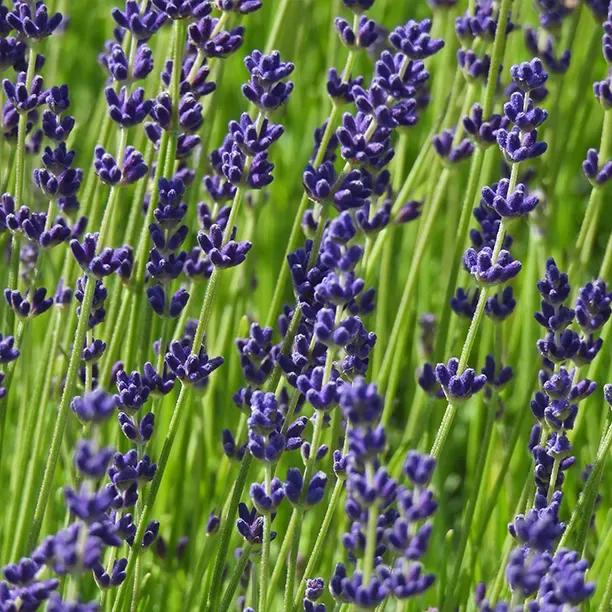
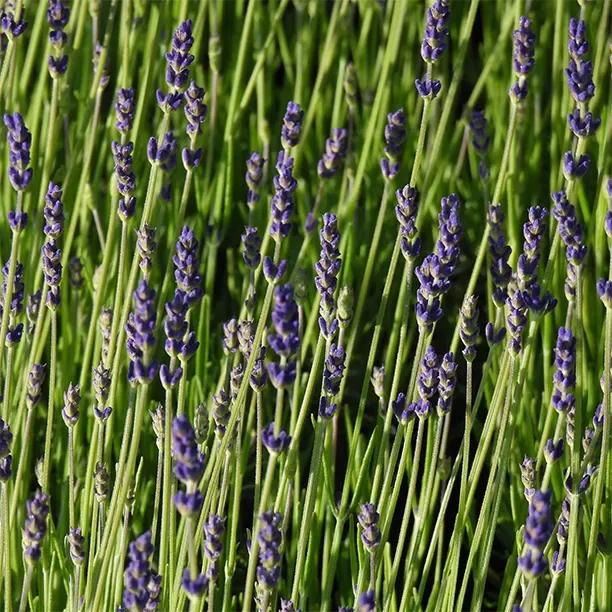
- Colour: Lilac-pink — softer and more muted than Hidcote, warmer than Munstead
- Foliage: Evergreen, aromatic, grey-green with a slightly broader leaf than most English lavenders
- Height: 50–70cm (20–28in)
- Spread: 50–60cm
- Flowering: June to July, in line with other English lavenders
- Scent: Sweet, clean English lavender scent — good for drying and cooking, without the camphor edge of Dutch varieties
- Hardiness: Fully hardy throughout the UK
- RHS AGM: No
- Introduced: A named selection of Lavandula angustifolia, bred for its lilac-pink flower colour
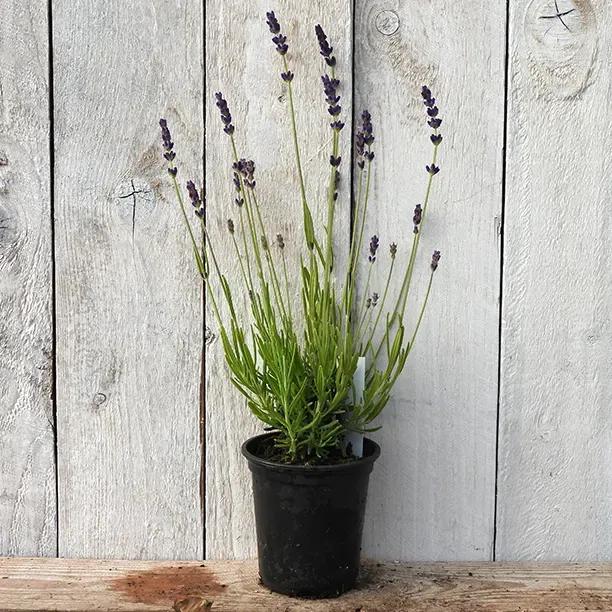
- Sold as: Pot-grown plants (P9 available depending on season)
- Plant outdoors: From late April onwards. May is safer for exposed or northern gardens
- Delivered: From April/May, weather dependent
Melissa Lilac — The Colour That Fills the Gap
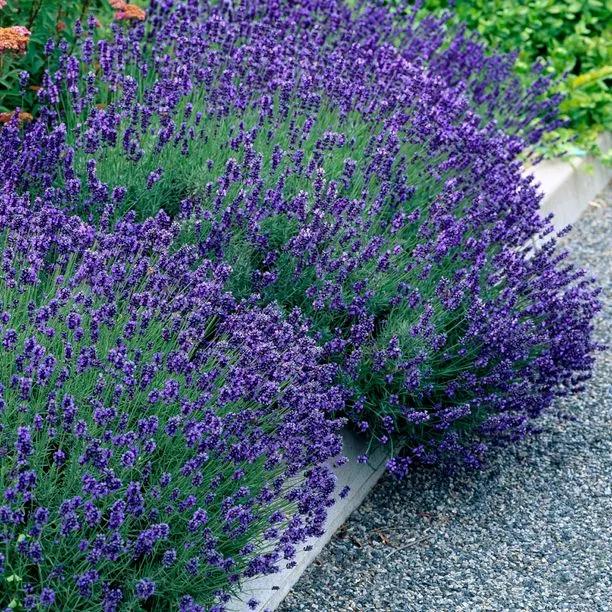
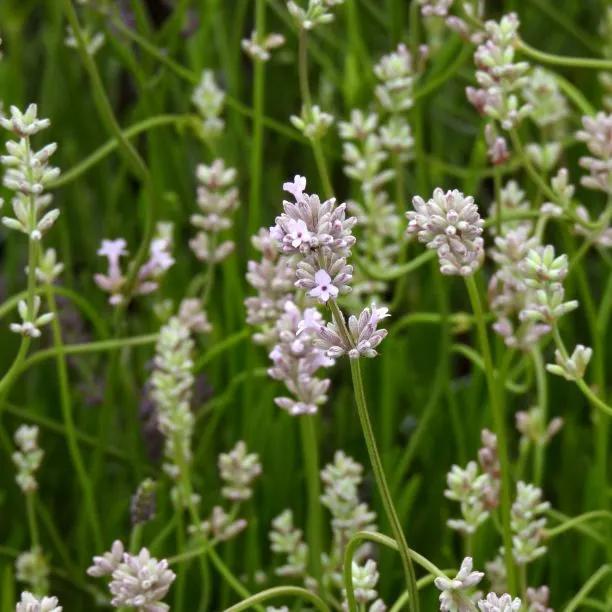
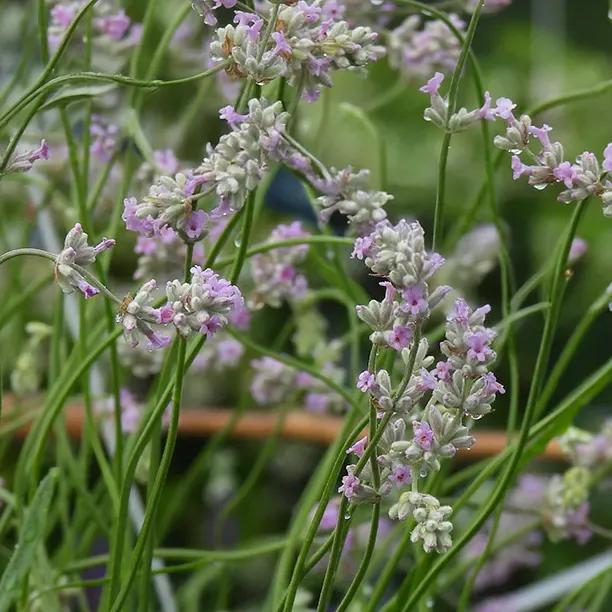
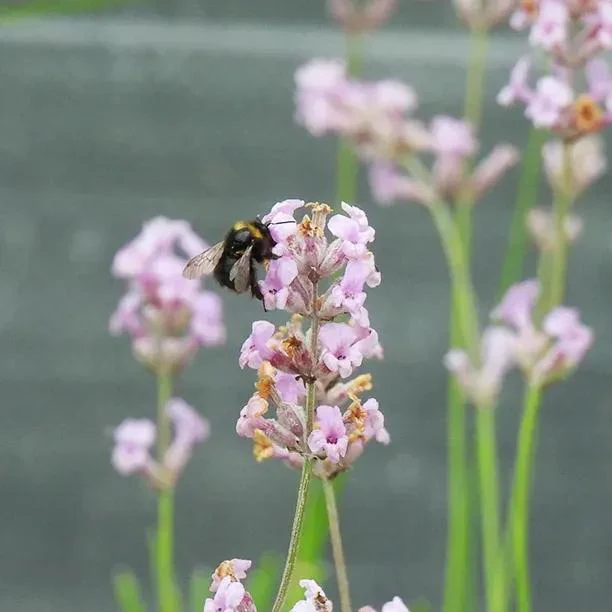
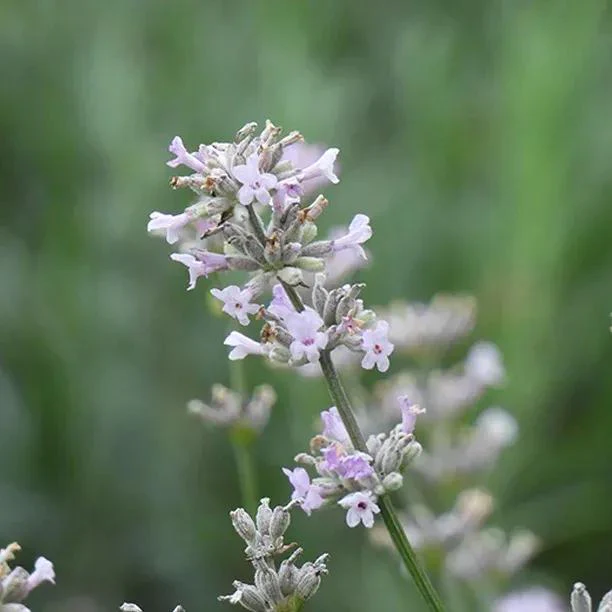
Most lavender borders come down to a choice between purple and white. Melissa Lilac sits in neither camp. The flowers are a warm lilac-pink — not quite the blush of Rosea and nowhere near the saturated purple of Hidcote, but something in between that looks unexpectedly good next to both. The colour is hard to pin down in photographs. In full sun it reads as a clean lilac; on overcast days (so, most of June) it takes on a slightly warmer, almost dusty pink tone. That variability is part of its character.
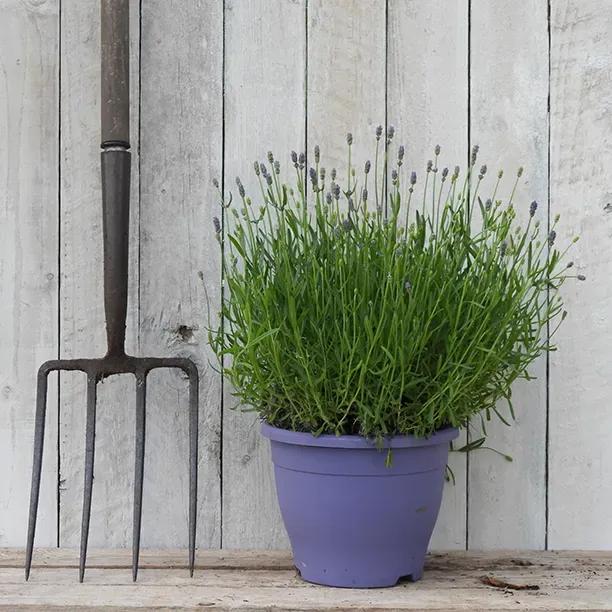
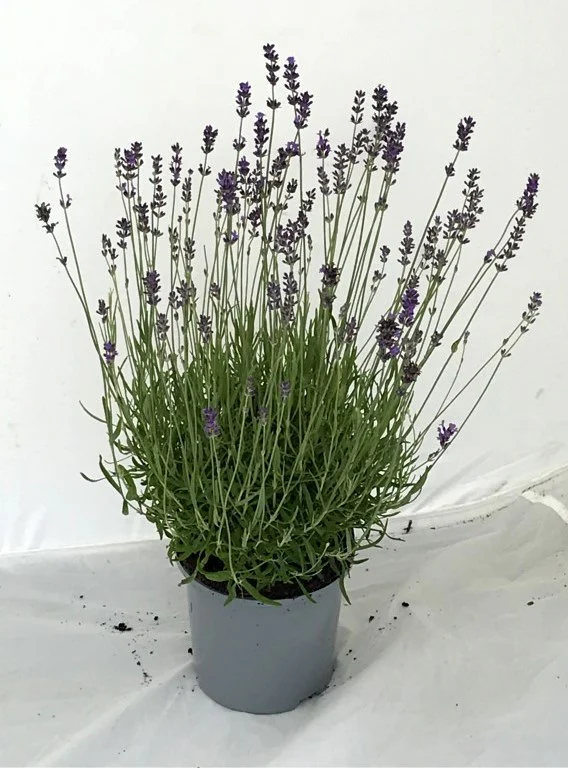
As a plant, Melissa Lilac behaves like a well-mannered English lavender. It forms a neat, rounded mound of grey-green foliage and sends up flower spikes from early June, typically finishing by late July. The spikes are a touch taller than Hidcote's and held at a slight angle, giving the whole plant a looser, more relaxed habit. It is not floppy — just less regimental. The scent is pure English lavender: sweet, floral, low in camphor, and perfectly good for drying or adding to baking. By the way, in our experience the scent is a fraction lighter than Munstead's, but Mrs Ashridge insists this depends on how warm the day is when you bury your nose in it, so we will leave that argument there.
A Lavender for People Bored of Purple
There is nothing wrong with purple lavender. We sell thousands of Hidcote every year and it deserves its reputation. But if every border on your street already has a line of deep blue-purple, Melissa Lilac offers something different without requiring a different approach. Same soil (free-draining, not too rich), same position (full sun), same pruning regime. The only change is the colour, and it is a colour that works in planting schemes where strong purple would fight with neighbouring plants. Pale roses, silver Artemisia, white Erigeron — Melissa Lilac sits alongside all of them without visual conflict. Purple lavender next to a salmon-pink rose can look a bit uneasy. This one does not.
We should be honest: Melissa Lilac does not have the visual punch of Hidcote from thirty metres away. If you want lavender that announces itself across the garden, go darker. Melissa Lilac rewards you at close range — along a path, beside a doorway, in a pot by a bench where you actually sit.
Planting Companions
A row of Melissa Lilac in front of Grosso gives you a soft lilac foreground with taller blue-purple spikes rising behind — the height difference is enough to read clearly. Try it with Arctic Snow for a hedge that alternates between lilac-pink and white, planted at around 33cm apart for each variety. Stachys byzantina (lamb's ears) makes an excellent ground-level companion — the silver-white felted leaves pick up the grey in the lavender foliage. Common rosemary alongside Melissa Lilac gives you a Mediterranean border where both plants want the same poor, sunny conditions and neither needs much attention beyond an annual trim. Nepeta (catmint) is the obvious pairing and, predictable as it is, the two together look good.
Why Buy from Ashridge?
Your Melissa Lilac lavender is grown right here in the UK and dispatched when soil temperatures make planting sensible — not before. We deliver by next-day courier, every plant is guaranteed, and if anything arrives looking less than healthy, our team of real gardeners here in Somerset will sort it out. Browse our full lavender collection or just the English lavenders if you know that is what you are after. We hold a Feefo Platinum Service Award, which means our customers keep saying nice things about us — and we keep trying to deserve it.
Frequently Asked Questions
Our guide to growing lavender covers the full picture. Here are the questions we hear most about Melissa Lilac.
What is the best lavender for bees and pollinators?
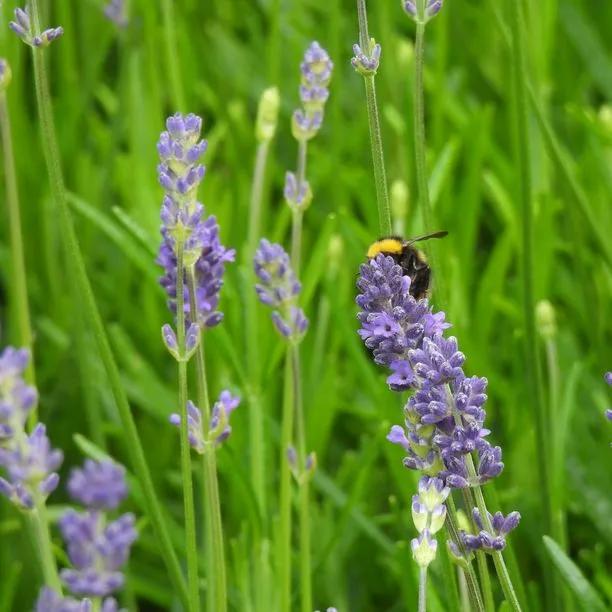
All lavenders attract pollinators, but English lavenders like Melissa Lilac are among the best because their open flower structure makes the nectar accessible. Bumblebees in particular seem to prefer English varieties over French types, though honeybees are less fussy. In terms of sheer bee traffic, we have noticed that lighter-coloured flowers sometimes attract more hoverflies as well — whether that is the colour or a coincidence, we cannot say for certain. Plant in full sun and the bees will find it.
Can lavender grow in clay soil?
With effort, yes. Without effort, probably not for long. Lavender needs drainage above almost everything else, and heavy clay holds water around the roots through winter, which is when most lavender plants die. The fix is to dig in plenty of grit — horticultural grit, not sand — and mound the planting area slightly so water drains away from the crown. On really sticky clay, a raised bed with added gravel is a more reliable option. Melissa Lilac is no more or less tolerant of clay than other English lavenders, so do not expect any special resilience here.
Is lavender deer resistant?
Almost entirely, yes. Deer dislike aromatic plants and lavender is high on the list of things they tend to leave alone. Rabbits are a bigger problem — young plants can be nibbled back, especially in hard winters when there is less else available. Established plants with woody stems are usually left alone. We would not guarantee it (deer and rabbits cannot read plant labels), but lavender is about as safe a bet as you will find.
Can I grow lavender from cuttings?
Certainly. Semi-ripe cuttings taken in late summer (August or early September) root well in a gritty compost. Take shoots about 10cm long from non-flowering stems, strip the lower leaves, dip in rooting hormone if you have it, and push them into a pot of half perlite, half compost. Keep them in a sheltered spot — a cold frame is ideal — and most should have rooted by the following spring. Melissa Lilac roots as readily as any English lavender. The plants will be small in their first year, so do not expect flowers until the second summer.
How do I stop lavender going woody?
Annual pruning. That is really the whole answer. After flowering finishes — typically late July or August for Melissa Lilac — cut back all the spent flower stems and about a third of the current season's leafy growth. The key rule is never cut into the bare wood below the green growth, because English lavender will not regenerate from old wood. A second, lighter trim in April tidies up any winter damage. Miss the annual prune for two or three years and the plant becomes leggy and bare at the base, and at that point there is no bringing it back. Our pruning guide shows the technique in a short video.
Original: $6.55
-70%$6.55
$1.96Product Information
Product Information
Shipping & Returns
Shipping & Returns
Description
- Variety: Melissa Lilac
- Species: Lavandula angustifolia (English lavender)
- Colour: Lilac-pink — softer and more muted than Hidcote, warmer than Munstead
- Foliage: Evergreen, aromatic, grey-green with a slightly broader leaf than most English lavenders
- Height: 50–70cm (20–28in)
- Spread: 50–60cm
- Flowering: June to July, in line with other English lavenders
- Scent: Sweet, clean English lavender scent — good for drying and cooking, without the camphor edge of Dutch varieties
- Hardiness: Fully hardy throughout the UK
- RHS AGM: No
- Introduced: A named selection of Lavandula angustifolia, bred for its lilac-pink flower colour
- Sold as: Pot-grown plants (P9 available depending on season)
- Plant outdoors: From late April onwards. May is safer for exposed or northern gardens
- Delivered: From April/May, weather dependent
Melissa Lilac — The Colour That Fills the Gap
Most lavender borders come down to a choice between purple and white. Melissa Lilac sits in neither camp. The flowers are a warm lilac-pink — not quite the blush of Rosea and nowhere near the saturated purple of Hidcote, but something in between that looks unexpectedly good next to both. The colour is hard to pin down in photographs. In full sun it reads as a clean lilac; on overcast days (so, most of June) it takes on a slightly warmer, almost dusty pink tone. That variability is part of its character.
As a plant, Melissa Lilac behaves like a well-mannered English lavender. It forms a neat, rounded mound of grey-green foliage and sends up flower spikes from early June, typically finishing by late July. The spikes are a touch taller than Hidcote's and held at a slight angle, giving the whole plant a looser, more relaxed habit. It is not floppy — just less regimental. The scent is pure English lavender: sweet, floral, low in camphor, and perfectly good for drying or adding to baking. By the way, in our experience the scent is a fraction lighter than Munstead's, but Mrs Ashridge insists this depends on how warm the day is when you bury your nose in it, so we will leave that argument there.
A Lavender for People Bored of Purple
There is nothing wrong with purple lavender. We sell thousands of Hidcote every year and it deserves its reputation. But if every border on your street already has a line of deep blue-purple, Melissa Lilac offers something different without requiring a different approach. Same soil (free-draining, not too rich), same position (full sun), same pruning regime. The only change is the colour, and it is a colour that works in planting schemes where strong purple would fight with neighbouring plants. Pale roses, silver Artemisia, white Erigeron — Melissa Lilac sits alongside all of them without visual conflict. Purple lavender next to a salmon-pink rose can look a bit uneasy. This one does not.
We should be honest: Melissa Lilac does not have the visual punch of Hidcote from thirty metres away. If you want lavender that announces itself across the garden, go darker. Melissa Lilac rewards you at close range — along a path, beside a doorway, in a pot by a bench where you actually sit.
Planting Companions
A row of Melissa Lilac in front of Grosso gives you a soft lilac foreground with taller blue-purple spikes rising behind — the height difference is enough to read clearly. Try it with Arctic Snow for a hedge that alternates between lilac-pink and white, planted at around 33cm apart for each variety. Stachys byzantina (lamb's ears) makes an excellent ground-level companion — the silver-white felted leaves pick up the grey in the lavender foliage. Common rosemary alongside Melissa Lilac gives you a Mediterranean border where both plants want the same poor, sunny conditions and neither needs much attention beyond an annual trim. Nepeta (catmint) is the obvious pairing and, predictable as it is, the two together look good.
Why Buy from Ashridge?
Your Melissa Lilac lavender is grown right here in the UK and dispatched when soil temperatures make planting sensible — not before. We deliver by next-day courier, every plant is guaranteed, and if anything arrives looking less than healthy, our team of real gardeners here in Somerset will sort it out. Browse our full lavender collection or just the English lavenders if you know that is what you are after. We hold a Feefo Platinum Service Award, which means our customers keep saying nice things about us — and we keep trying to deserve it.
Frequently Asked Questions
Our guide to growing lavender covers the full picture. Here are the questions we hear most about Melissa Lilac.
What is the best lavender for bees and pollinators?
All lavenders attract pollinators, but English lavenders like Melissa Lilac are among the best because their open flower structure makes the nectar accessible. Bumblebees in particular seem to prefer English varieties over French types, though honeybees are less fussy. In terms of sheer bee traffic, we have noticed that lighter-coloured flowers sometimes attract more hoverflies as well — whether that is the colour or a coincidence, we cannot say for certain. Plant in full sun and the bees will find it.
Can lavender grow in clay soil?
With effort, yes. Without effort, probably not for long. Lavender needs drainage above almost everything else, and heavy clay holds water around the roots through winter, which is when most lavender plants die. The fix is to dig in plenty of grit — horticultural grit, not sand — and mound the planting area slightly so water drains away from the crown. On really sticky clay, a raised bed with added gravel is a more reliable option. Melissa Lilac is no more or less tolerant of clay than other English lavenders, so do not expect any special resilience here.
Is lavender deer resistant?
Almost entirely, yes. Deer dislike aromatic plants and lavender is high on the list of things they tend to leave alone. Rabbits are a bigger problem — young plants can be nibbled back, especially in hard winters when there is less else available. Established plants with woody stems are usually left alone. We would not guarantee it (deer and rabbits cannot read plant labels), but lavender is about as safe a bet as you will find.
Can I grow lavender from cuttings?
Certainly. Semi-ripe cuttings taken in late summer (August or early September) root well in a gritty compost. Take shoots about 10cm long from non-flowering stems, strip the lower leaves, dip in rooting hormone if you have it, and push them into a pot of half perlite, half compost. Keep them in a sheltered spot — a cold frame is ideal — and most should have rooted by the following spring. Melissa Lilac roots as readily as any English lavender. The plants will be small in their first year, so do not expect flowers until the second summer.
How do I stop lavender going woody?
Annual pruning. That is really the whole answer. After flowering finishes — typically late July or August for Melissa Lilac — cut back all the spent flower stems and about a third of the current season's leafy growth. The key rule is never cut into the bare wood below the green growth, because English lavender will not regenerate from old wood. A second, lighter trim in April tidies up any winter damage. Miss the annual prune for two or three years and the plant becomes leggy and bare at the base, and at that point there is no bringing it back. Our pruning guide shows the technique in a short video.