Comice Pear Trees
Comice Pear Trees
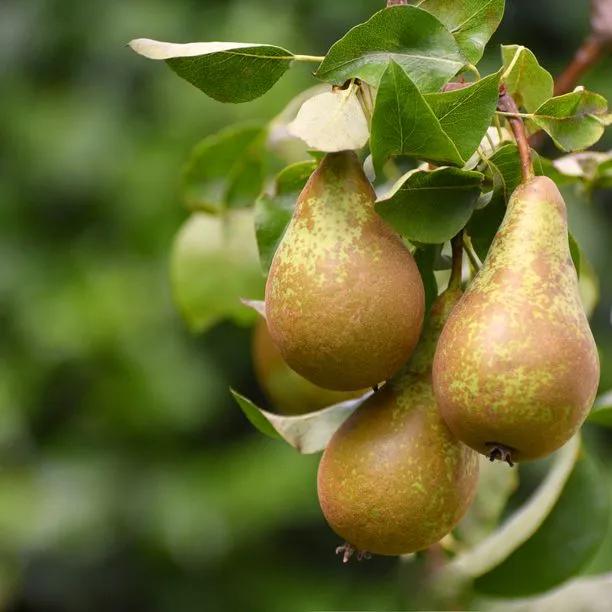
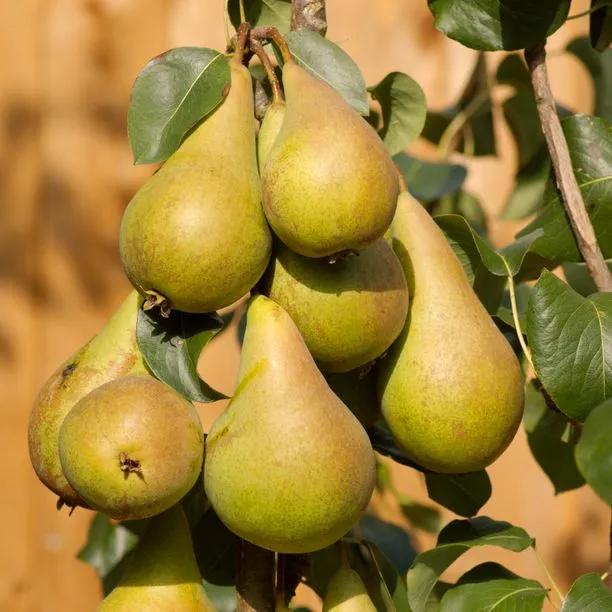
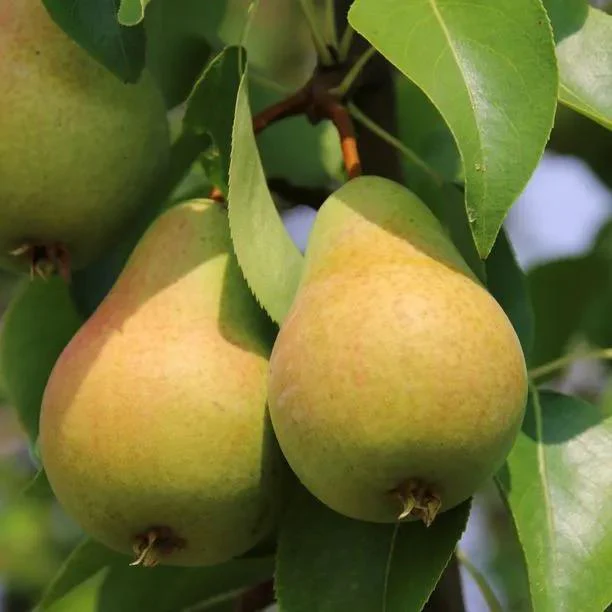
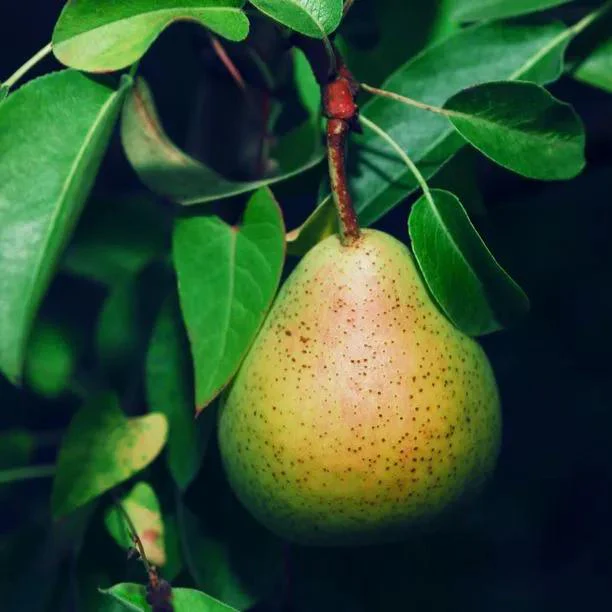
Doyenne du Comice is an all-time classic dessert pear, one of the most popular on European farms. Very sweet, with perfectly juicy, melting flesh. Pale yellow when ripe, sometimes they develop a bit of russeting or a bit of a rosy flush.
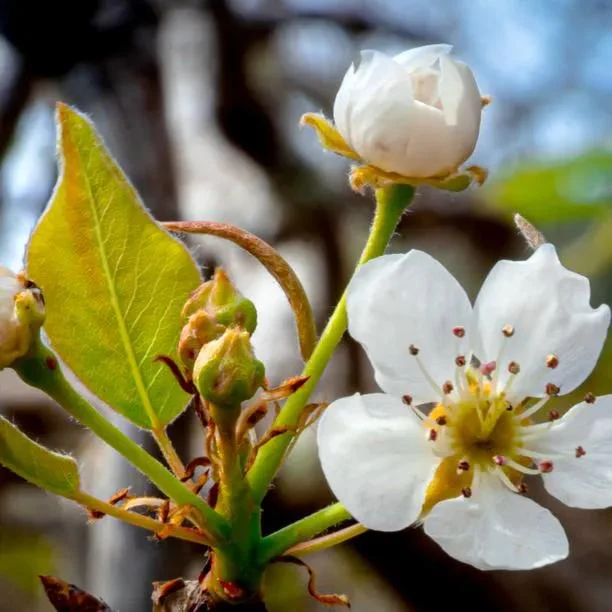
They're vigorous, upright and heavy cropping. They flower late, so they're suitable for frosty places.
Browse our range of pear trees, or all our fruit trees.
Delivery season: Bareroot plants are delivered in late Autumn to Spring, about November-March inclusive. Pot grown plants, year round.
Features
- Self Sterile.
- Susceptible to scab, resistant to mildew - best grown in the East of Britain.
- Pollination Group C.
- Harvest when green in November.
- Store in a cold place to ripen slowly.
- Bring into a warm room to ripen in about 2 days.
- Pot grown delivery: Year round
- Bareroot Delivery: Nov-March.
Pollination Partners for Comice:
To make fruit, all pear trees need to be pollinated by another variety.
Doyenne du Comice is in pollination group C.
This means that it'll pollinate with trees in groups B & C (except Onward).
Please see our guide to Pollinating Pear Trees for a full list of partners.
Growing Comice:
Rich soil is important - dig in plenty of good manure and compost before planting.
Soil drainage must be good.
The more sun your trees get the better your crops will be.
Ripening Comice Pears:
They're best picked when still green and then stored in a cold place, where they'll slowly ripen.
To ripen them quickly, bring some into a warm room & they'll be ready in about 2 days.
With some planning, you can have fresh, ripe pears on Christmas Day.
Diseases: Comice is susceptible to scab but resistant to mildew: this makes them a better choice for the East of England & Scotland, not so good for Wales or the West of England where scab is more common.
Did You Know?
A French variety from the mid 1800s, brought to Britain in 1858 by Sir Francis Dyke Acland.
Onward and Concorde were bred from Comice.
Pear Tree Delivery Shapes:
Most of our fruit trees are delivered in up to 3 shapes (maiden, bush, and half standard), and you can buy selected varieties as potted mini patio trees: scroll up to see what's in stock.
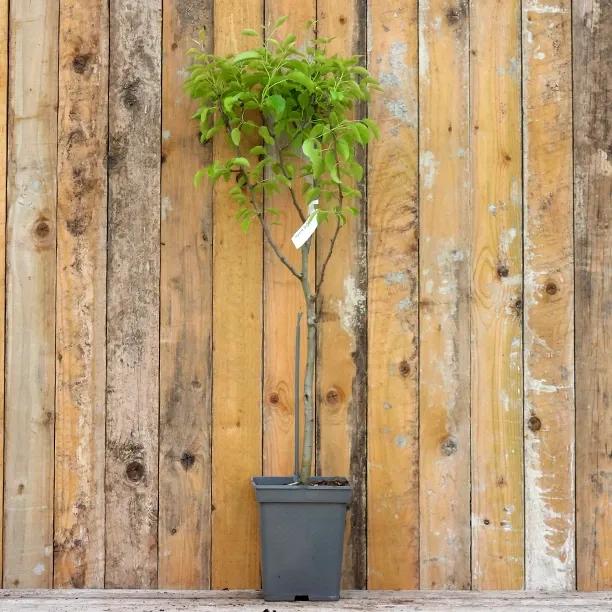
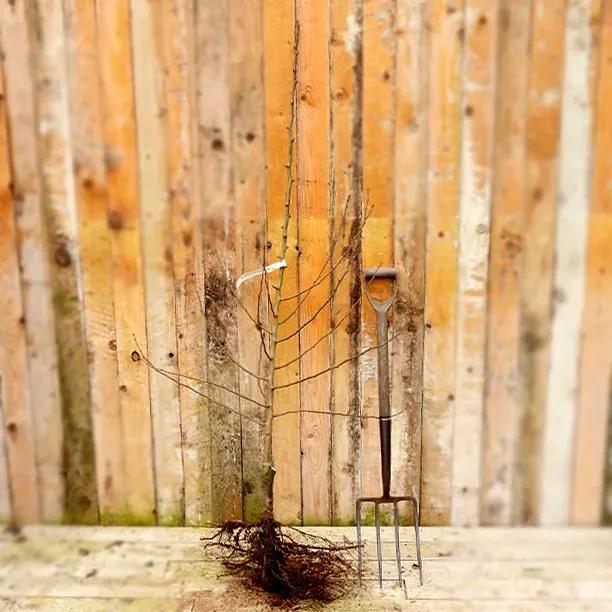
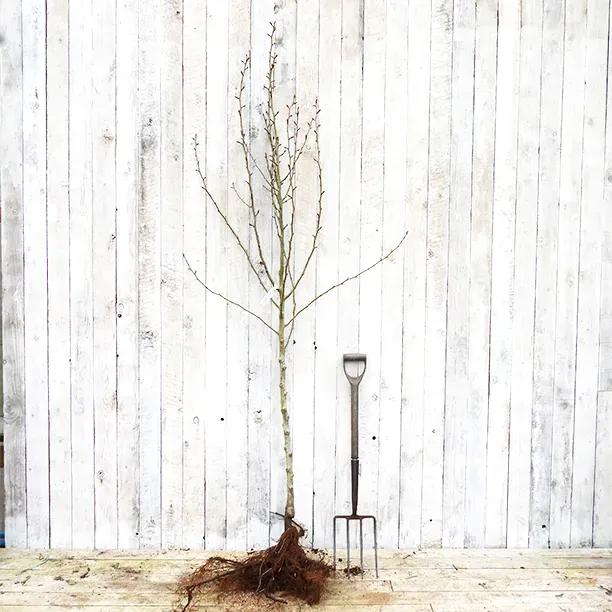
Maiden: Unbranched tree, the most basic starting size, which you can train into cordons, espaliers, or the forms below (apart from mini patio trees).
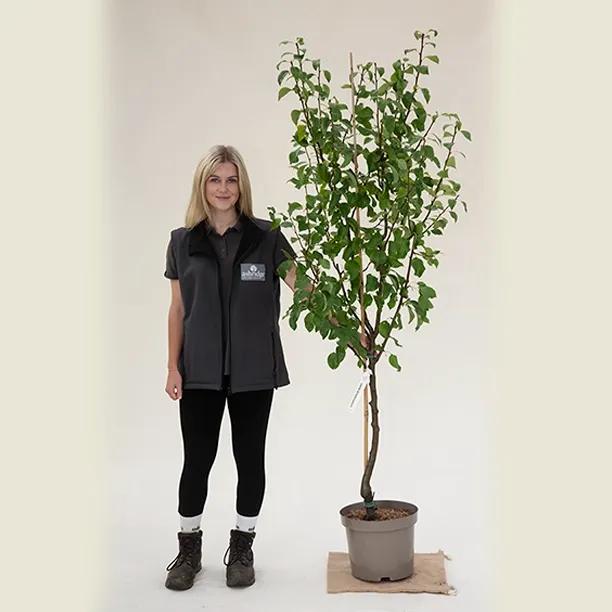
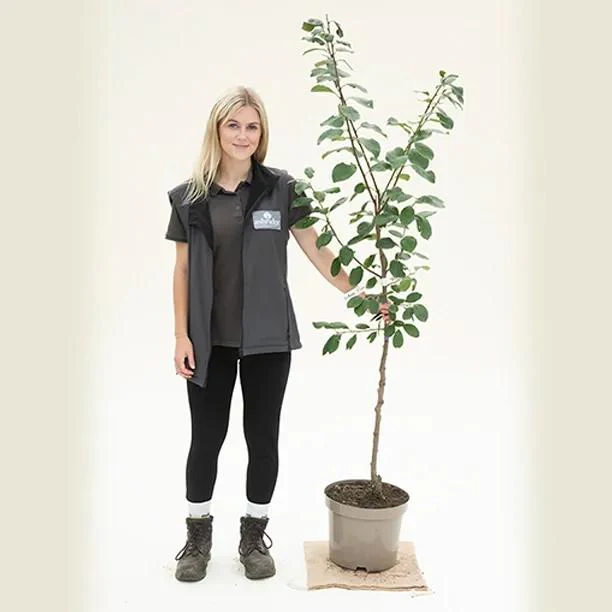
Bush: Freestanding tree with a short trunk about 60cm tall. It'll grow to about 3m. Ideal for small gardens.
Half-Standard: A freestanding form with a trunk about 120cm tall. It'll grow into a full sized, "normal" tree, about 4m. Ideal for orchards, easy to mow underneath.
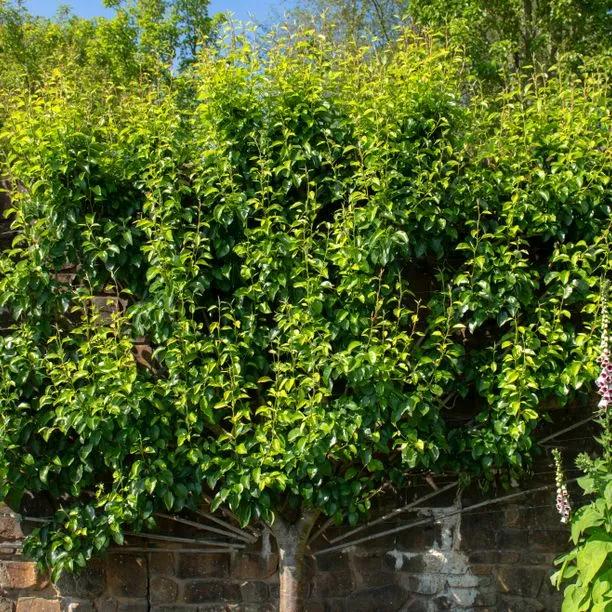
Cordon: Comice is a spur-bearer, suitable for cordons and espaliers.
Mini Patio Tree: Only sold pot-grown, these use a dwarfing rootstock to drastically reduce the tree's vigour and restrict the
Guide to Fruit Tree Sizing.
Original: $33.08
-70%$33.08
$9.92Product Information
Product Information
Shipping & Returns
Shipping & Returns
Description
Comice Pear Trees
Doyenne du Comice is an all-time classic dessert pear, one of the most popular on European farms. Very sweet, with perfectly juicy, melting flesh. Pale yellow when ripe, sometimes they develop a bit of russeting or a bit of a rosy flush.
They're vigorous, upright and heavy cropping. They flower late, so they're suitable for frosty places.
Browse our range of pear trees, or all our fruit trees.
Delivery season: Bareroot plants are delivered in late Autumn to Spring, about November-March inclusive. Pot grown plants, year round.
Features
- Self Sterile.
- Susceptible to scab, resistant to mildew - best grown in the East of Britain.
- Pollination Group C.
- Harvest when green in November.
- Store in a cold place to ripen slowly.
- Bring into a warm room to ripen in about 2 days.
- Pot grown delivery: Year round
- Bareroot Delivery: Nov-March.
Pollination Partners for Comice:
To make fruit, all pear trees need to be pollinated by another variety.
Doyenne du Comice is in pollination group C.
This means that it'll pollinate with trees in groups B & C (except Onward).
Please see our guide to Pollinating Pear Trees for a full list of partners.
Growing Comice:
Rich soil is important - dig in plenty of good manure and compost before planting.
Soil drainage must be good.
The more sun your trees get the better your crops will be.
Ripening Comice Pears:
They're best picked when still green and then stored in a cold place, where they'll slowly ripen.
To ripen them quickly, bring some into a warm room & they'll be ready in about 2 days.
With some planning, you can have fresh, ripe pears on Christmas Day.
Diseases: Comice is susceptible to scab but resistant to mildew: this makes them a better choice for the East of England & Scotland, not so good for Wales or the West of England where scab is more common.
Did You Know?
A French variety from the mid 1800s, brought to Britain in 1858 by Sir Francis Dyke Acland.
Onward and Concorde were bred from Comice.
Pear Tree Delivery Shapes:
Most of our fruit trees are delivered in up to 3 shapes (maiden, bush, and half standard), and you can buy selected varieties as potted mini patio trees: scroll up to see what's in stock.
Maiden: Unbranched tree, the most basic starting size, which you can train into cordons, espaliers, or the forms below (apart from mini patio trees).
Bush: Freestanding tree with a short trunk about 60cm tall. It'll grow to about 3m. Ideal for small gardens.
Half-Standard: A freestanding form with a trunk about 120cm tall. It'll grow into a full sized, "normal" tree, about 4m. Ideal for orchards, easy to mow underneath.
Cordon: Comice is a spur-bearer, suitable for cordons and espaliers.
Mini Patio Tree: Only sold pot-grown, these use a dwarfing rootstock to drastically reduce the tree's vigour and restrict the
Guide to Fruit Tree Sizing.