Hupeh/Tea Chinese Crab Apple Trees
Hupeh/Tea Chinese Crab Apple Trees
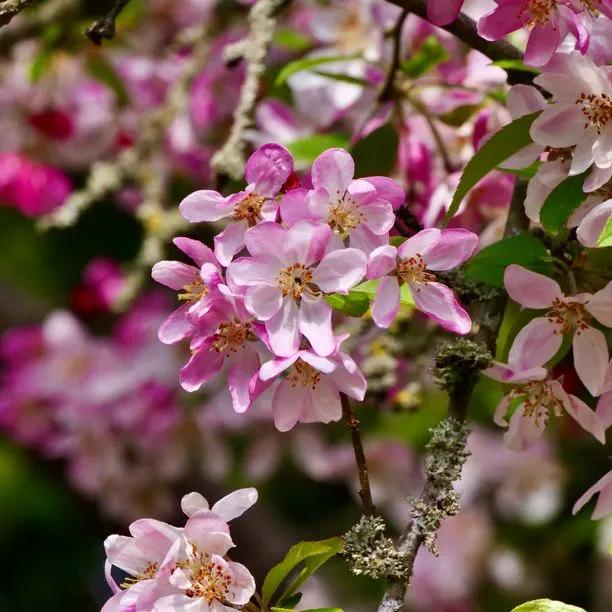
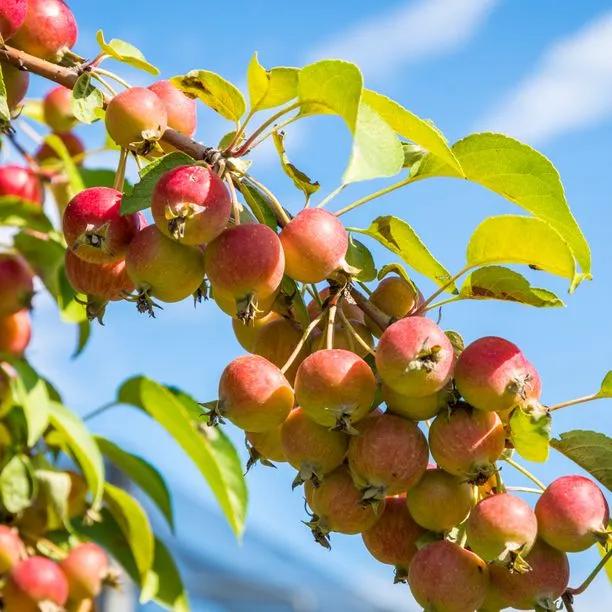
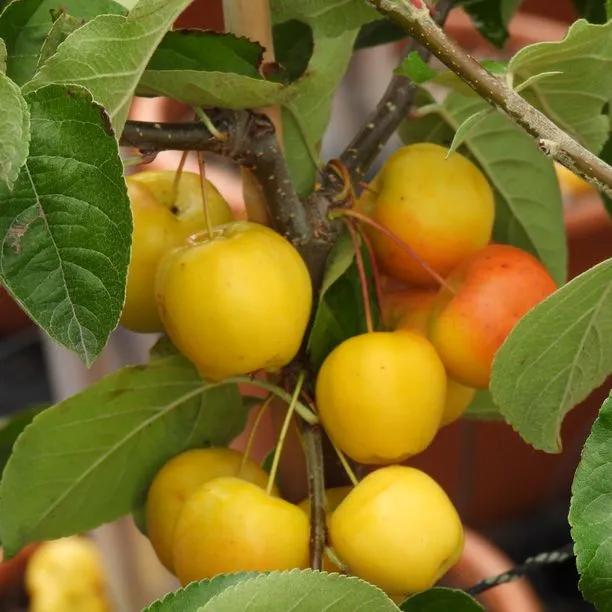
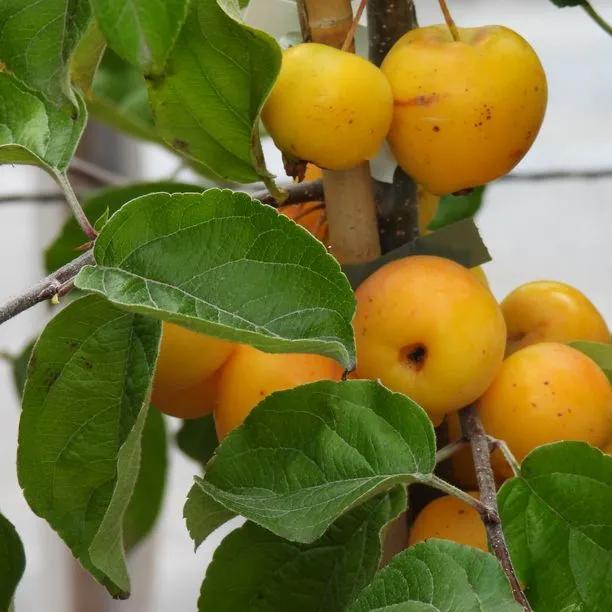
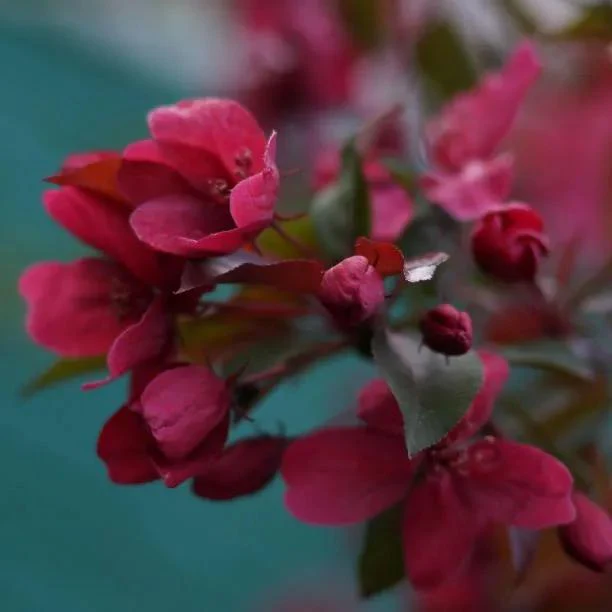
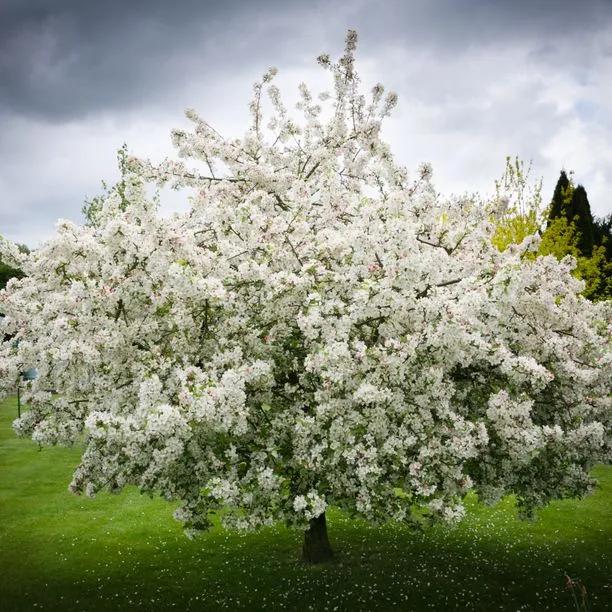
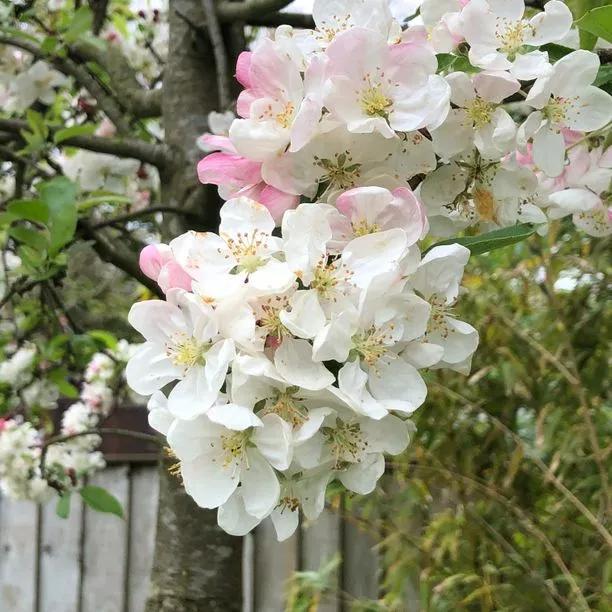
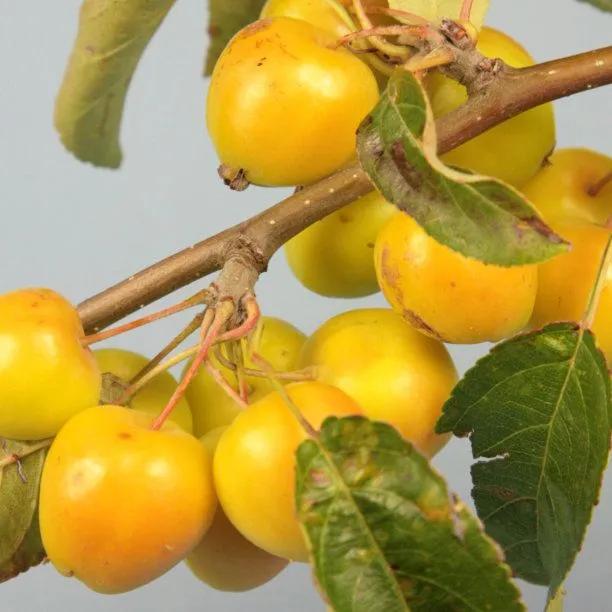
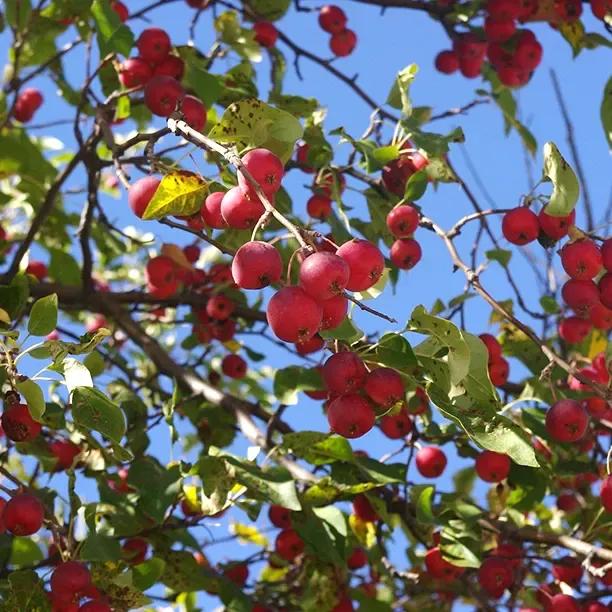
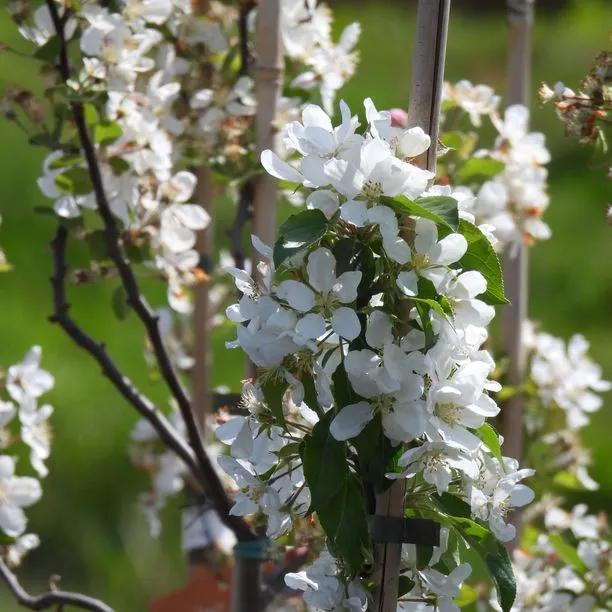
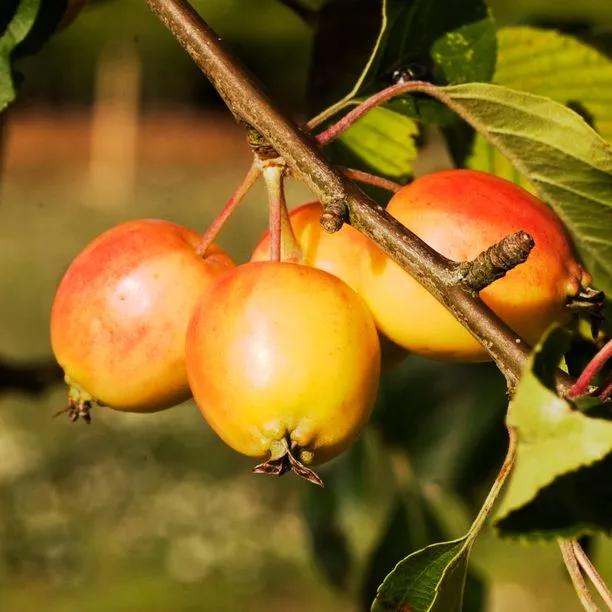
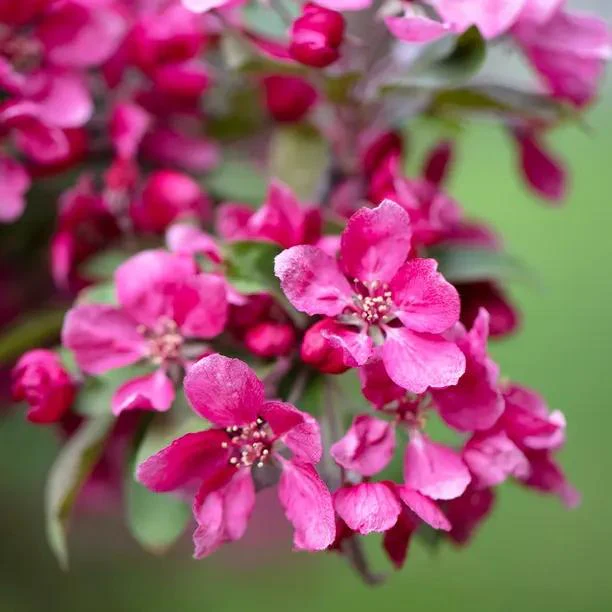
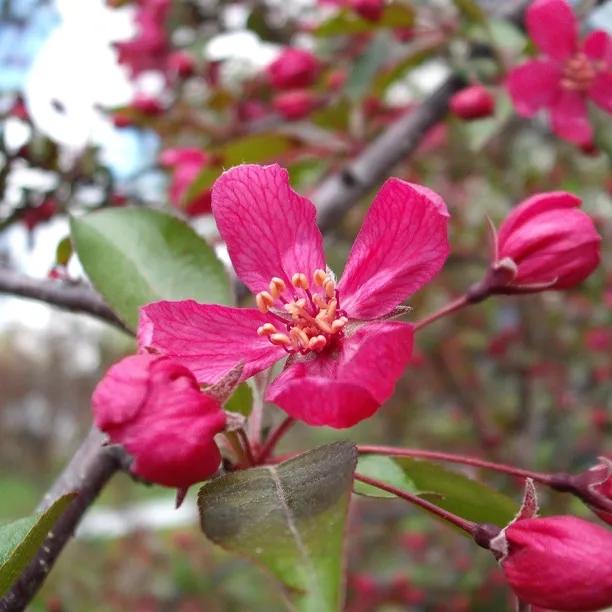
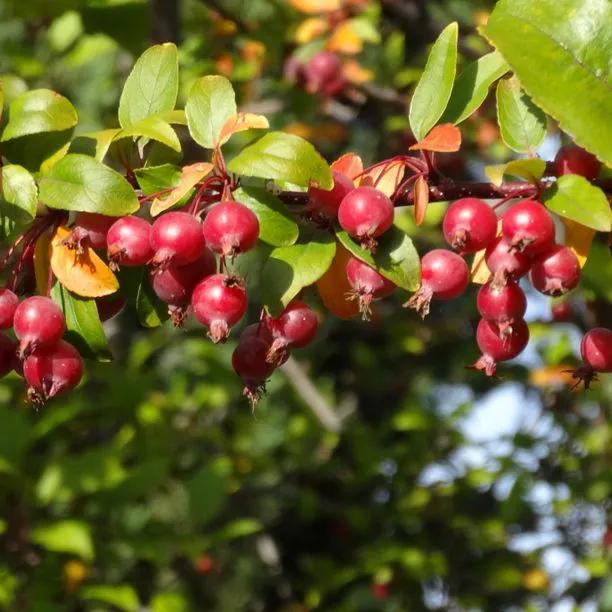
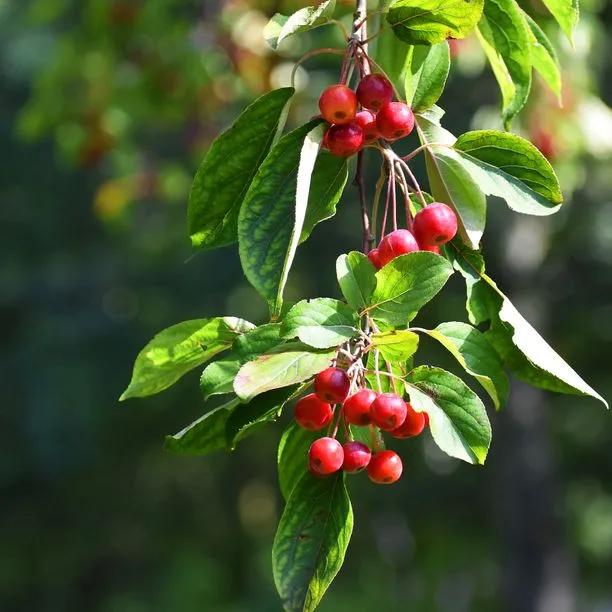
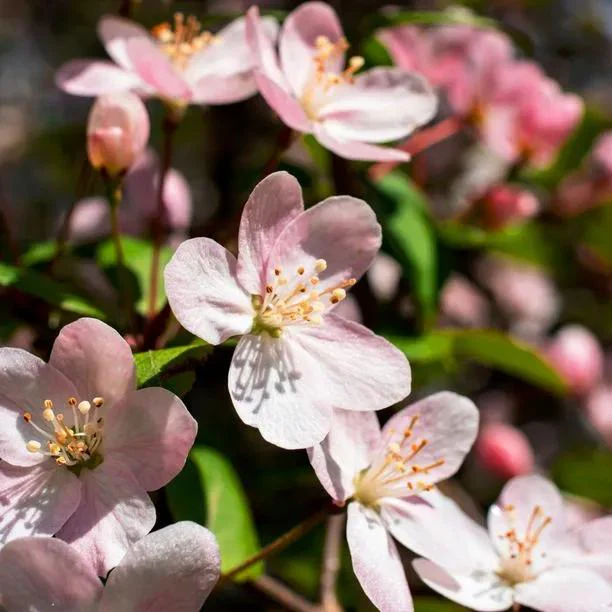
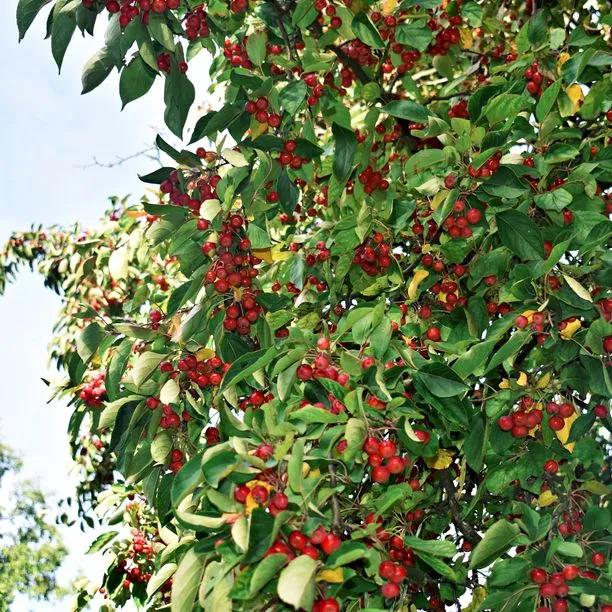
Hupeh or Tea Crabapple, Malus hupehensis, is a Chinese crab apple variety, a small, goblet shaped tree covered with white blossom in spring, touched with pink, which matures into bright red fruit that look like cherries and either make the most delightful pink crab apple jelly, or adorn the branches well into winter. It looks superb in Autumn and makes a lovely specimen for the centre of a lawn.
Older trees will start to spread out and can develop a wide, rounded canopy up to about 6 metres tall.
Browse our variety of crab apple trees or our full range of trees.
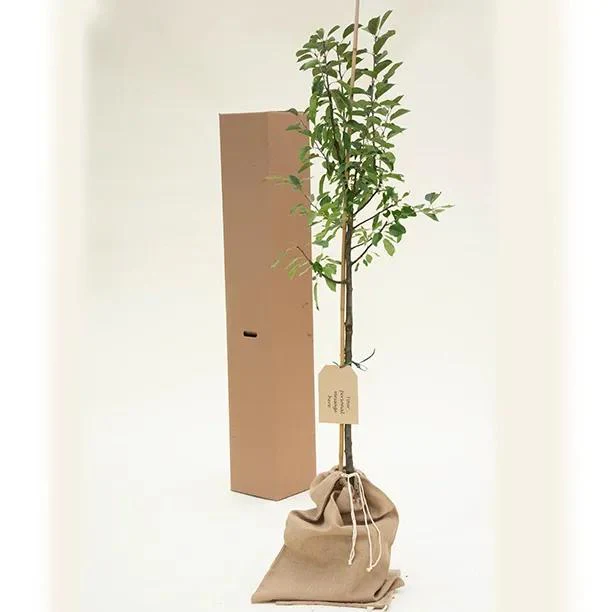
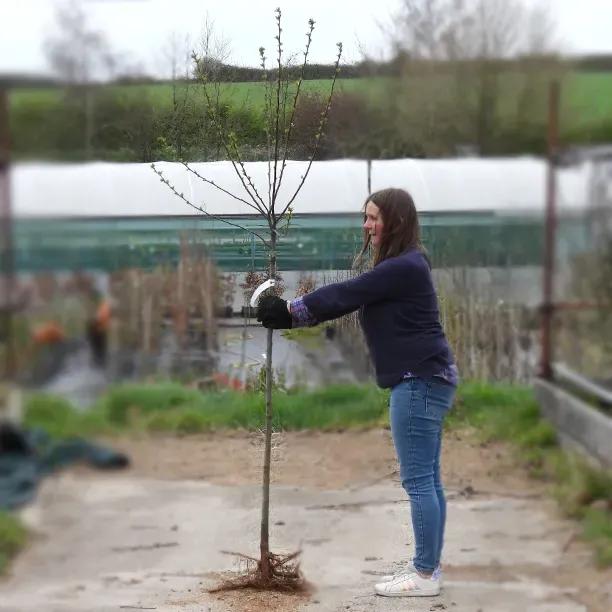
Delivery season: Crab apple trees are delivered bareroot during late autumn and winter, approximately November-March inclusive.
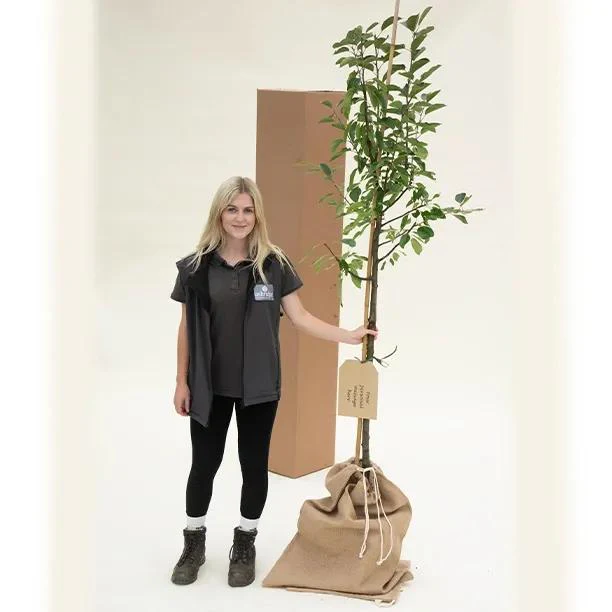
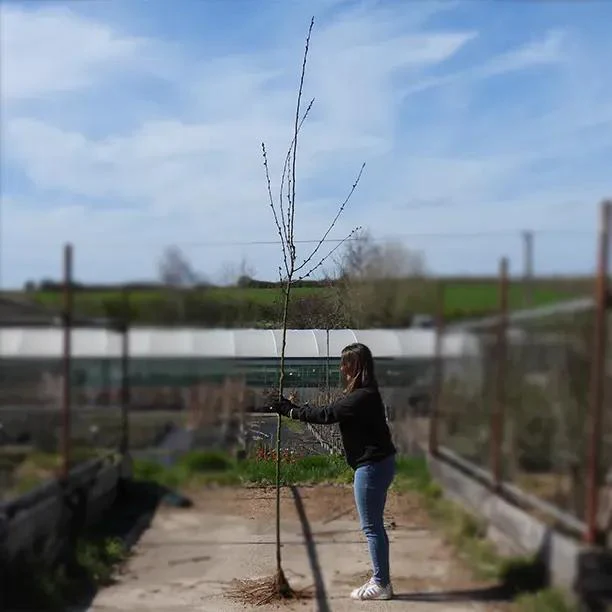
Choosing a size: Small trees are cheaper, easier to handle and more forgiving of less than ideal aftercare, so they're best for a big planting project. If instant impact is your priority, or if you are only buying a few plants for use in a place where it's convenient to water them well in their first year, then you may as well use bigger ones. All our bareroot trees are measured by their height in centimetres above the ground (the roots aren't measured).
Features
- Height: 6m
- Soil: Any well drained
- Use: Specimen, small gardens, urban
- Colour: Mostly white blossom in May
- Cherry-like crabs remain on branches into winter
- Doesn't pollinate orchard apples
- RHS Award of Garden Merit
- RHS Plants for Pollinators
- Bareroot delivery only: November-March
Growing Hupeh Crab Apple Trees
Any well drained soil, tolerates partial shade and urban pollution well. It's drought tolerant and not bothered by strong winds, but can't grow on the coast.
Please Note: This tree is sterile and won't pollinate other apple trees. If you are looking for a pollinator for an orchard choose either John Downie and Golden Hornet. The bees don't mind, however, and will eat their fill.
History & Trivia
This tree has won a couple of awards from the RHS, including one for outstanding excellence on display - we would bet that the prize was given during autumn. Unlike the berries of other types of mountain ash, these berries aren't good for humans to eat - something that hungry birds in winter are sure to be grateful for.
The adventurous Ernest "Chinese" Wilson (1876-1930) first described it in 1901 in Hubei province (spelt Hupeh in his day) in central China. About 15 years later, George Forrest (1873-1932) collected the samples from which all the S. hupehensis trees in the West are derived. Due to an administrative error at the RHS, they were sold as S. wilsoniana f. glaberrima for several years.
Standard trees are measured by their girth in centimetres 1 metre above ground level: their trunk's waist measurement. Unlike sapling trees and hedge plants, standards aren't measured by their height, which will vary quite a bit both between and within species.
So, a 6/8cm standard tree has a trunk with a circumference of 6-8cm and an 8/10 standard has a trunk 8-10cm around. This measurement makes no difference to the tree's final height.
On average, standard trees are 2-3.5 metres tall when they arrive, but we cannot tell you precisely how tall your trees will be before we deliver them.
Product Information
Product Information
Shipping & Returns
Shipping & Returns
Description
Hupeh/Tea Chinese Crab Apple Trees
Hupeh or Tea Crabapple, Malus hupehensis, is a Chinese crab apple variety, a small, goblet shaped tree covered with white blossom in spring, touched with pink, which matures into bright red fruit that look like cherries and either make the most delightful pink crab apple jelly, or adorn the branches well into winter. It looks superb in Autumn and makes a lovely specimen for the centre of a lawn.
Older trees will start to spread out and can develop a wide, rounded canopy up to about 6 metres tall.
Browse our variety of crab apple trees or our full range of trees.
Delivery season: Crab apple trees are delivered bareroot during late autumn and winter, approximately November-March inclusive.
Choosing a size: Small trees are cheaper, easier to handle and more forgiving of less than ideal aftercare, so they're best for a big planting project. If instant impact is your priority, or if you are only buying a few plants for use in a place where it's convenient to water them well in their first year, then you may as well use bigger ones. All our bareroot trees are measured by their height in centimetres above the ground (the roots aren't measured).
Features
- Height: 6m
- Soil: Any well drained
- Use: Specimen, small gardens, urban
- Colour: Mostly white blossom in May
- Cherry-like crabs remain on branches into winter
- Doesn't pollinate orchard apples
- RHS Award of Garden Merit
- RHS Plants for Pollinators
- Bareroot delivery only: November-March
Growing Hupeh Crab Apple Trees
Any well drained soil, tolerates partial shade and urban pollution well. It's drought tolerant and not bothered by strong winds, but can't grow on the coast.
Please Note: This tree is sterile and won't pollinate other apple trees. If you are looking for a pollinator for an orchard choose either John Downie and Golden Hornet. The bees don't mind, however, and will eat their fill.
History & Trivia
This tree has won a couple of awards from the RHS, including one for outstanding excellence on display - we would bet that the prize was given during autumn. Unlike the berries of other types of mountain ash, these berries aren't good for humans to eat - something that hungry birds in winter are sure to be grateful for.
The adventurous Ernest "Chinese" Wilson (1876-1930) first described it in 1901 in Hubei province (spelt Hupeh in his day) in central China. About 15 years later, George Forrest (1873-1932) collected the samples from which all the S. hupehensis trees in the West are derived. Due to an administrative error at the RHS, they were sold as S. wilsoniana f. glaberrima for several years.
Standard trees are measured by their girth in centimetres 1 metre above ground level: their trunk's waist measurement. Unlike sapling trees and hedge plants, standards aren't measured by their height, which will vary quite a bit both between and within species.
So, a 6/8cm standard tree has a trunk with a circumference of 6-8cm and an 8/10 standard has a trunk 8-10cm around. This measurement makes no difference to the tree's final height.
On average, standard trees are 2-3.5 metres tall when they arrive, but we cannot tell you precisely how tall your trees will be before we deliver them.