Native Black Poplar Sapling Trees
- Species: Populus nigra subsp. betulifolia (Native Black Poplar)
- Also known as: Manchester Poplar, Midland Poplar, Atlantic Black Poplar
- Type: Large native deciduous tree
- Conservation status: Britain's most endangered native timber tree — fewer than 7,000 remain in the wild
- Mature height: Up to 25m
- Growth rate: Fast once established
- Soil: Damp, fertile ground; thrives on floodplains and beside water
- Position: Full sun
- Hedging: Not suitable for clipping — use as a specimen, screening or conservation tree
- Root system: Vigorous and invasive — plant well away from buildings, drains and foundations
- Sex: We cannot determine sex before delivery; trees are more likely to be male than female
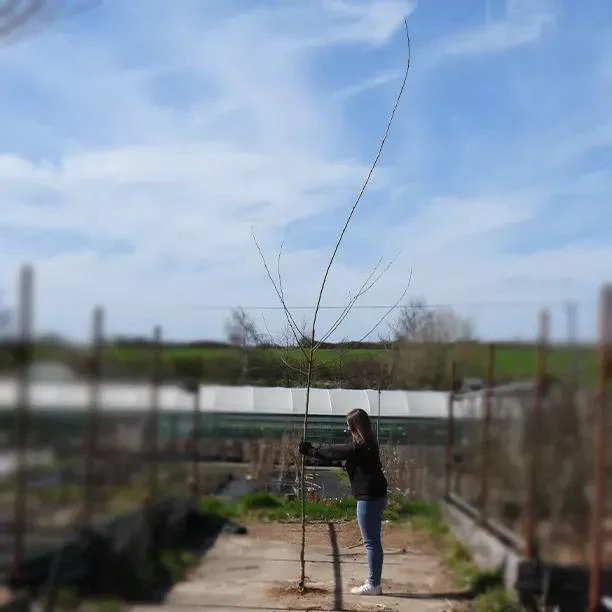
- Sold as: Bareroot saplings
- Delivered: November–March (dormant season only)
- Guarantee: 1 year bareroot plant guarantee
Native Black Poplar — Britain's Rarest Native Timber Tree
This is the real one. Populus nigra subsp. betulifolia is the native British Black Poplar, once common on floodplains from Somerset to Cheshire, now reduced to fewer than 7,000 wild trees. Of those, barely 600 are confirmed female. The Forestry Commission lists it as the most endangered native timber tree in Britain. It was once thought extinct until scattered survivors were rediscovered in hedgerows, beside farm ponds and along river margins — solitary old trees, most of them male, most of them no longer reproducing naturally.
The decline has several causes. Wetland drainage destroyed the damp floodplain habitat where seeds germinate. Faster-growing hybrid poplars replaced it in commercial planting. Female trees were historically removed to prevent the spread of their fluffy cotton-like seeds. And with so few trees left so far apart, natural wind pollination between male and female trees has all but ceased. Every native Black Poplar planted is a small act of conservation.
Recognising It
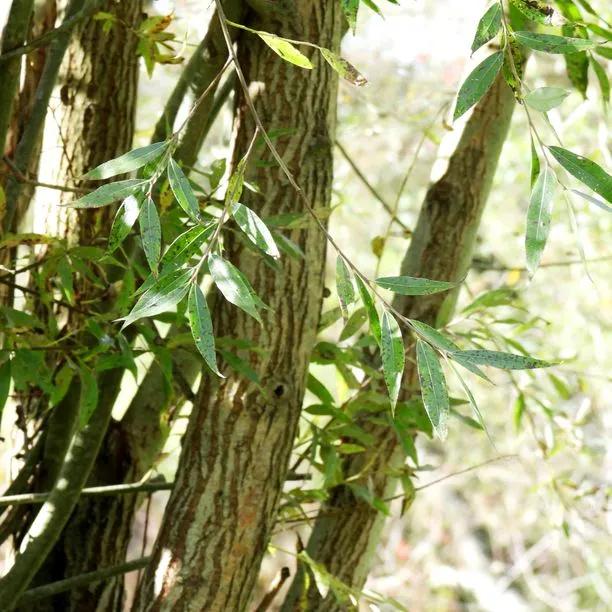
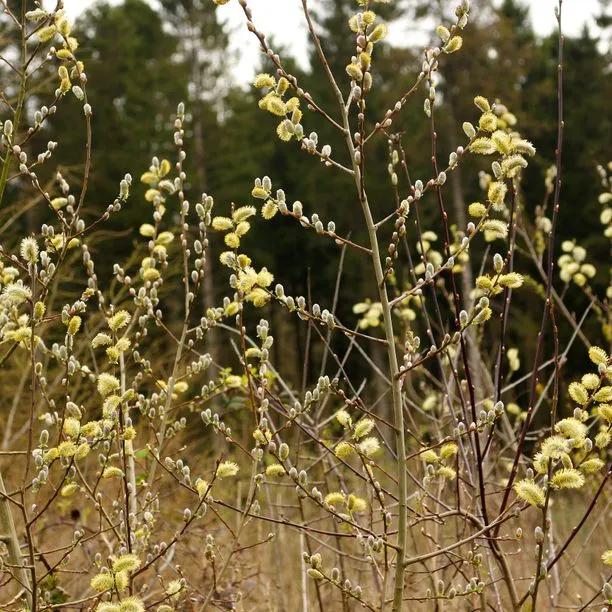
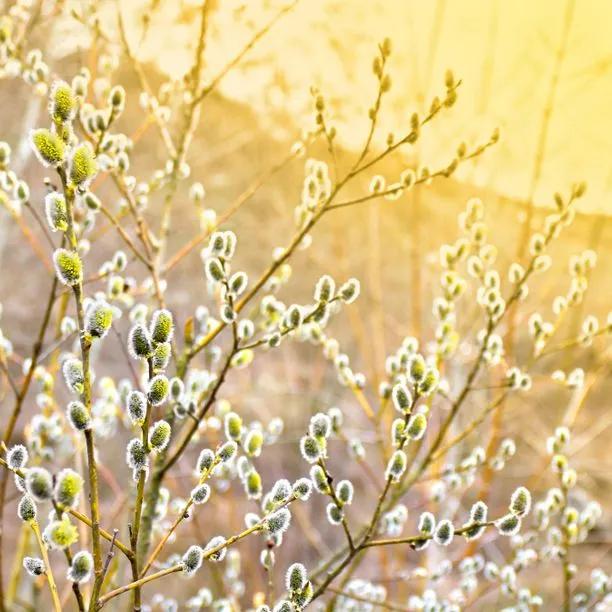
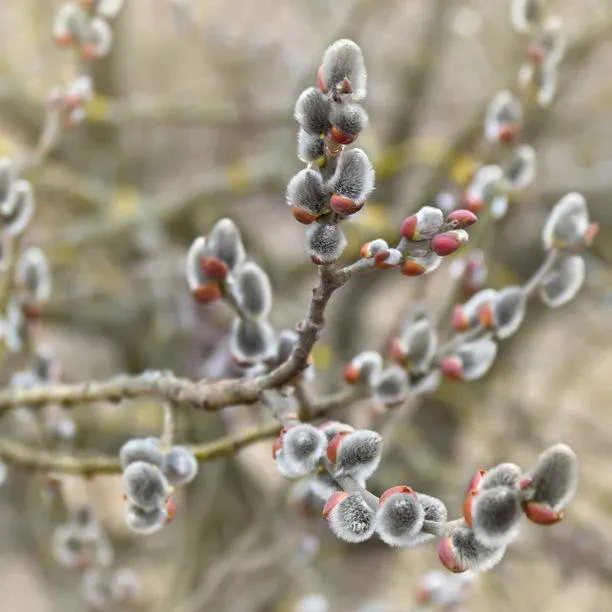
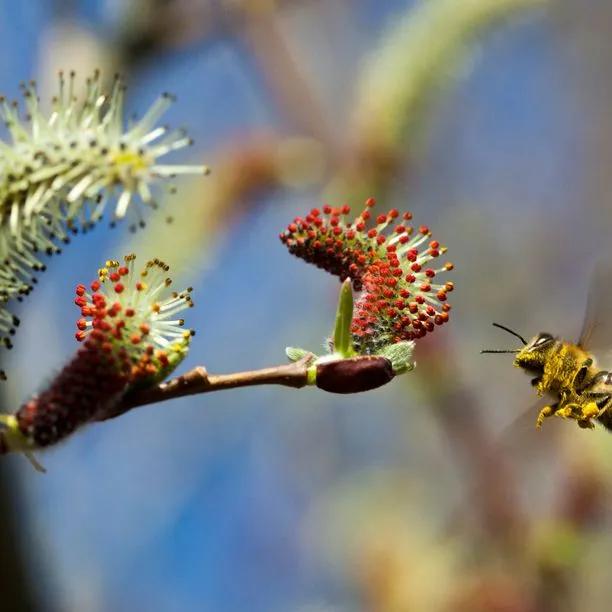
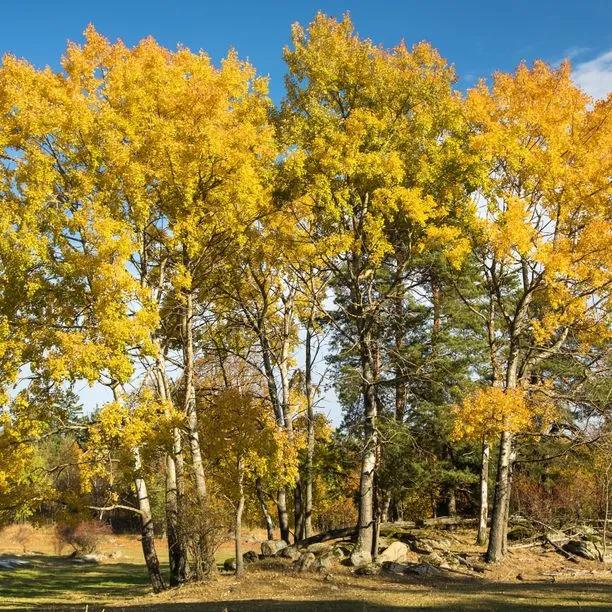
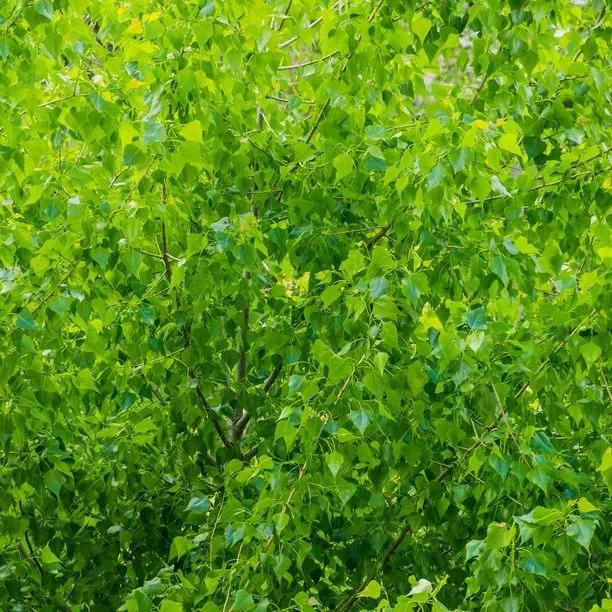
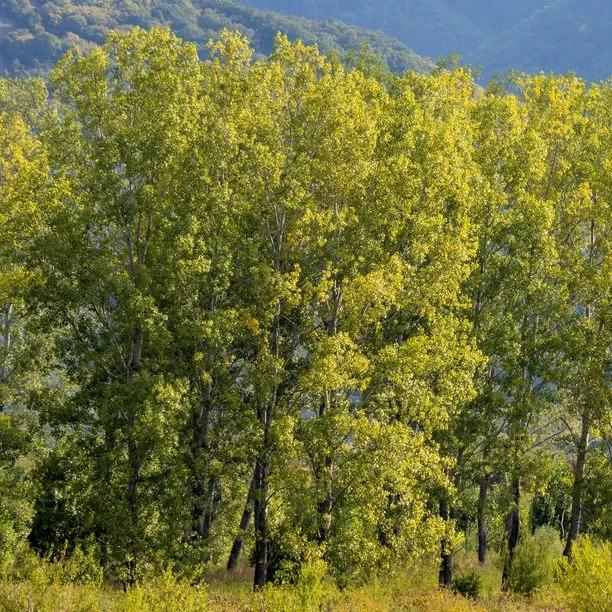
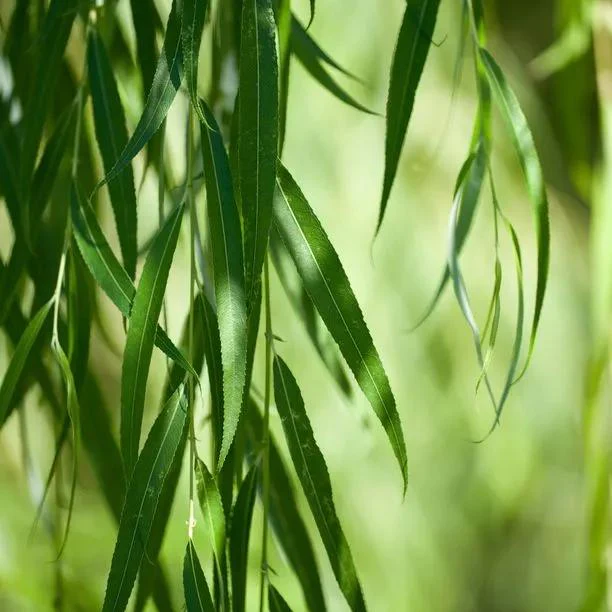
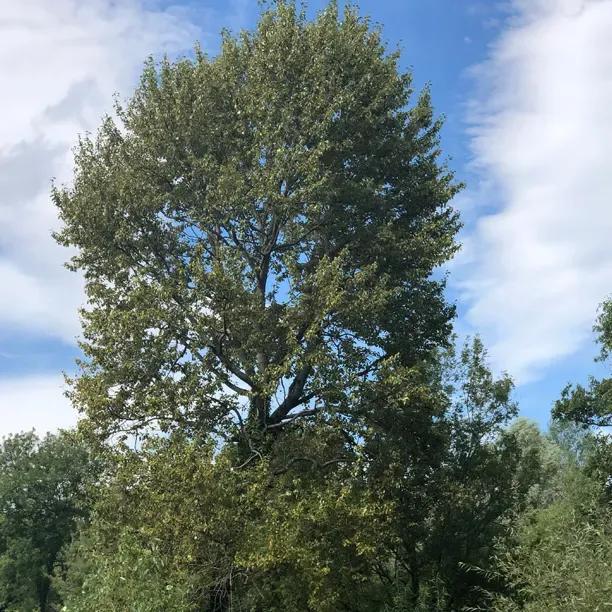
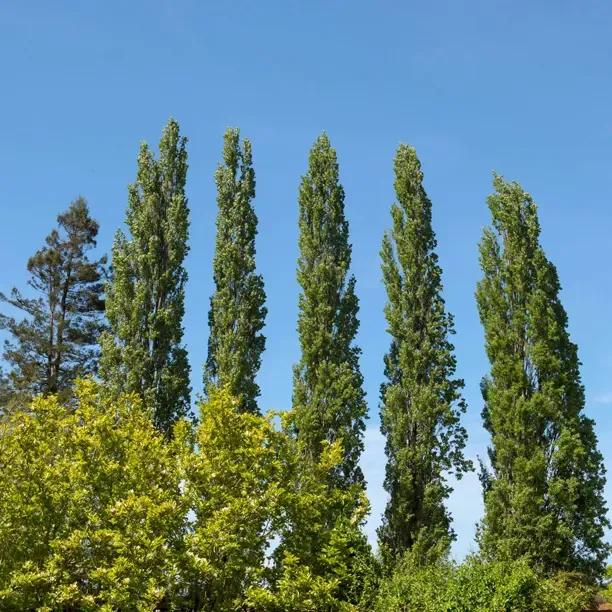
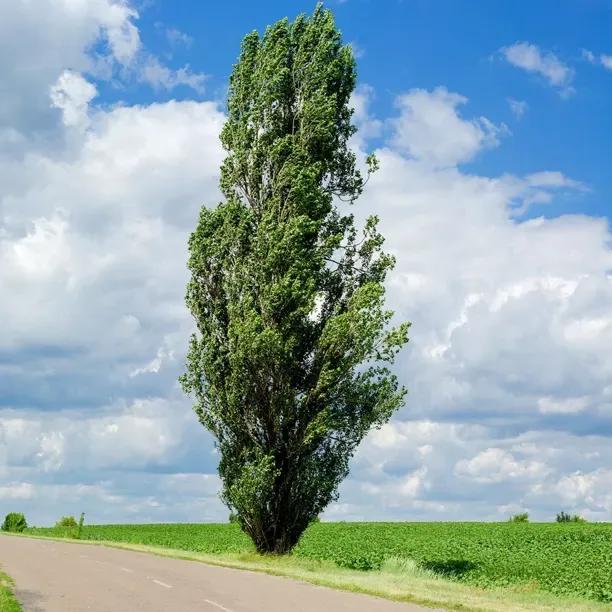
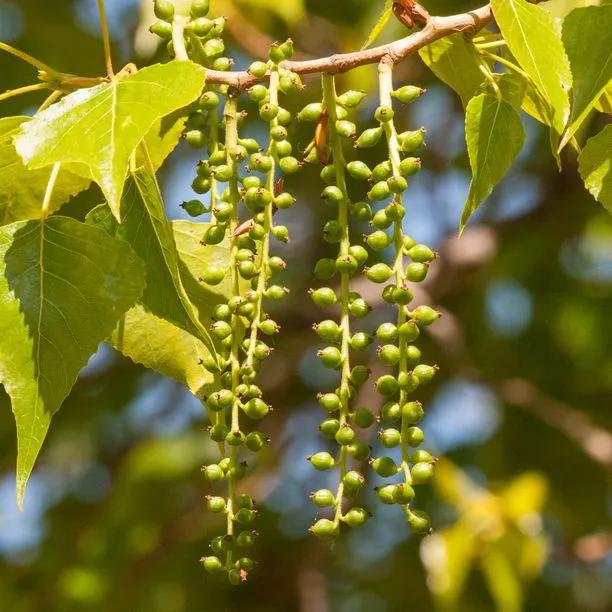
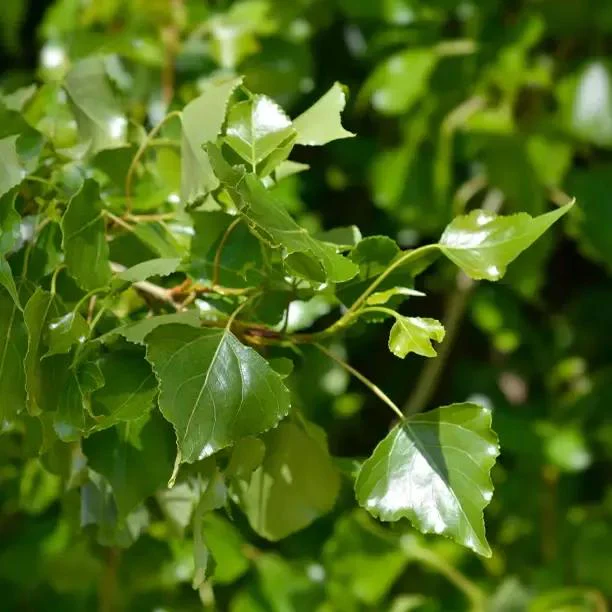
You can tell betulifolia from other poplars by its downy young shoots and leaf stalks — the subspecies name means "birch-leaved", a nod to its elongated leaf tips. Mature trees develop a broad, spreading head with lower branches that arch downwards, a thick trunk covered in deep fissures and large burrs, and an often characterful lean. The bark is so dark it appears almost black. Red male catkins appear in spring before the leaves; country names for them include "Devil's fingers". The diamond-shaped leaves open bronze, darken to a glossy green, and turn clear yellow in autumn.
John Constable painted a native Black Poplar in The Hay Wain. It is arguably our tallest native broadleaf.
Where to Plant
Its natural home is damp, low-lying ground: river margins, pond edges, floodplains, wet meadow boundaries. If you have a boggy corner that defeats other trees, this is the one to try. It will also grow in drier soils, but it is never happier than with its roots near water. Full sun is preferred. Give it plenty of space — this is a big tree with a vigorous root system. Keep well away from buildings, drains and foundations (25m minimum). For conservation planting, if you can plant both male and female trees within 200m of each other, there is a chance of natural pollination and seed set — something that barely happens in the wild any longer.
Wildlife
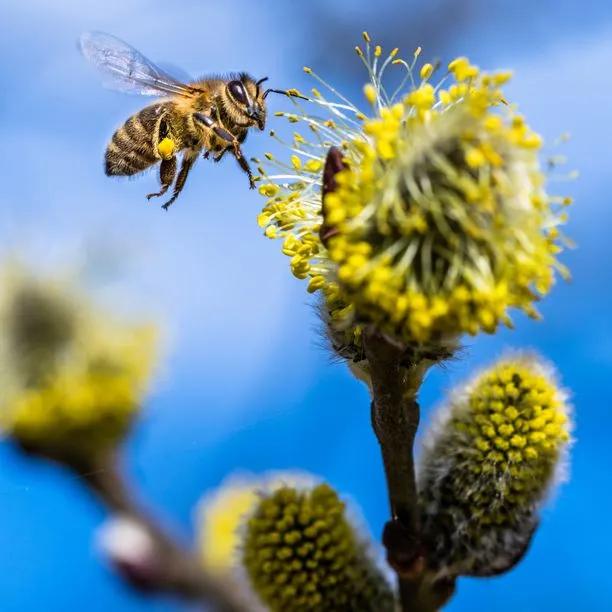
Black Poplar supports over 100 specialist insect species. The Poplar Hawk Moth, Hornet Moth, Wood Leopard Moth and Figure of Eight all depend on it. The rare Large Tortoiseshell and Camberwell Beauty butterflies use poplar as a foodplant. Spring catkins are among the earliest pollen sources for bees. Finches eat the seeds. Older trees, with their fissured bark and burrs, provide habitat for cavity-nesting birds, invertebrates, fungi and lichens. In terms of biodiversity per tree, few native species come close.
Why Ashridge?
UK-grown bareroot saplings, dispatched dormant during the winter planting season (November–March) by next-day courier. All bareroot trees carry our one-year guarantee. We've been growing and selling trees since 1949 and hold the Feefo Platinum Service Award and the Which? Gardening Best Plant Supplier award. If anything's not right, contact us.
Frequently Asked Questions
Is this the same as ordinary Black Poplar?
No. This is the native British subspecies, Populus nigra subsp. betulifolia, which is distinct from the European type species. It is identified by its downy shoots, elongated leaf tips, and broad spreading habit. We also sell Black Poplar (Populus nigra) separately.
Why is it so rare?
Three reasons: the drainage of floodplains destroyed its habitat; female trees were historically removed to prevent seed fluff; and hybridisation with commercial poplars has diluted the gene pool. With so few trees left, and most of them male, natural regeneration has essentially stopped.
Will I get male or female trees?
We cannot determine sex before delivery. The majority of trees in circulation are male. If you are planting for conservation and want both sexes, contact us to discuss availability.
How fast does it grow?
Fast for a native broadleaf — expect 1m or more per year on a good site. Slower than commercial hybrid poplars, but that was always the problem: the hybrids were planted instead precisely because they grew faster (but they are much uglier).
Can I plant it in a small garden?
No. This is a tree for large gardens, farmland, conservation schemes and open ground. It grows to 25m with a wide-spreading root system. Plant at least 20m from any building, wall or drain.
When will my trees arrive?
Bareroot trees are delivered November to March. You'll receive an email with your delivery window after ordering. Plant as soon as possible after delivery and water in thoroughly.
Is it the same as the Manchester Poplar?
The Manchester Poplar is a specific male clone of P. nigra subsp. betulifolia widely planted in north-west England. All native Black Poplars belong to the same subspecies, but not all of them are the Manchester clone. The trees we sell may or may not be genetically identical to the Manchester form.
Original: $4.61
-70%$4.61
$1.38Product Information
Product Information
Shipping & Returns
Shipping & Returns
Description
- Species: Populus nigra subsp. betulifolia (Native Black Poplar)
- Also known as: Manchester Poplar, Midland Poplar, Atlantic Black Poplar
- Type: Large native deciduous tree
- Conservation status: Britain's most endangered native timber tree — fewer than 7,000 remain in the wild
- Mature height: Up to 25m
- Growth rate: Fast once established
- Soil: Damp, fertile ground; thrives on floodplains and beside water
- Position: Full sun
- Hedging: Not suitable for clipping — use as a specimen, screening or conservation tree
- Root system: Vigorous and invasive — plant well away from buildings, drains and foundations
- Sex: We cannot determine sex before delivery; trees are more likely to be male than female
- Sold as: Bareroot saplings
- Delivered: November–March (dormant season only)
- Guarantee: 1 year bareroot plant guarantee
Native Black Poplar — Britain's Rarest Native Timber Tree
This is the real one. Populus nigra subsp. betulifolia is the native British Black Poplar, once common on floodplains from Somerset to Cheshire, now reduced to fewer than 7,000 wild trees. Of those, barely 600 are confirmed female. The Forestry Commission lists it as the most endangered native timber tree in Britain. It was once thought extinct until scattered survivors were rediscovered in hedgerows, beside farm ponds and along river margins — solitary old trees, most of them male, most of them no longer reproducing naturally.
The decline has several causes. Wetland drainage destroyed the damp floodplain habitat where seeds germinate. Faster-growing hybrid poplars replaced it in commercial planting. Female trees were historically removed to prevent the spread of their fluffy cotton-like seeds. And with so few trees left so far apart, natural wind pollination between male and female trees has all but ceased. Every native Black Poplar planted is a small act of conservation.
Recognising It
You can tell betulifolia from other poplars by its downy young shoots and leaf stalks — the subspecies name means "birch-leaved", a nod to its elongated leaf tips. Mature trees develop a broad, spreading head with lower branches that arch downwards, a thick trunk covered in deep fissures and large burrs, and an often characterful lean. The bark is so dark it appears almost black. Red male catkins appear in spring before the leaves; country names for them include "Devil's fingers". The diamond-shaped leaves open bronze, darken to a glossy green, and turn clear yellow in autumn.
John Constable painted a native Black Poplar in The Hay Wain. It is arguably our tallest native broadleaf.
Where to Plant
Its natural home is damp, low-lying ground: river margins, pond edges, floodplains, wet meadow boundaries. If you have a boggy corner that defeats other trees, this is the one to try. It will also grow in drier soils, but it is never happier than with its roots near water. Full sun is preferred. Give it plenty of space — this is a big tree with a vigorous root system. Keep well away from buildings, drains and foundations (25m minimum). For conservation planting, if you can plant both male and female trees within 200m of each other, there is a chance of natural pollination and seed set — something that barely happens in the wild any longer.
Wildlife
Black Poplar supports over 100 specialist insect species. The Poplar Hawk Moth, Hornet Moth, Wood Leopard Moth and Figure of Eight all depend on it. The rare Large Tortoiseshell and Camberwell Beauty butterflies use poplar as a foodplant. Spring catkins are among the earliest pollen sources for bees. Finches eat the seeds. Older trees, with their fissured bark and burrs, provide habitat for cavity-nesting birds, invertebrates, fungi and lichens. In terms of biodiversity per tree, few native species come close.
Why Ashridge?
UK-grown bareroot saplings, dispatched dormant during the winter planting season (November–March) by next-day courier. All bareroot trees carry our one-year guarantee. We've been growing and selling trees since 1949 and hold the Feefo Platinum Service Award and the Which? Gardening Best Plant Supplier award. If anything's not right, contact us.
Frequently Asked Questions
Is this the same as ordinary Black Poplar?
No. This is the native British subspecies, Populus nigra subsp. betulifolia, which is distinct from the European type species. It is identified by its downy shoots, elongated leaf tips, and broad spreading habit. We also sell Black Poplar (Populus nigra) separately.
Why is it so rare?
Three reasons: the drainage of floodplains destroyed its habitat; female trees were historically removed to prevent seed fluff; and hybridisation with commercial poplars has diluted the gene pool. With so few trees left, and most of them male, natural regeneration has essentially stopped.
Will I get male or female trees?
We cannot determine sex before delivery. The majority of trees in circulation are male. If you are planting for conservation and want both sexes, contact us to discuss availability.
How fast does it grow?
Fast for a native broadleaf — expect 1m or more per year on a good site. Slower than commercial hybrid poplars, but that was always the problem: the hybrids were planted instead precisely because they grew faster (but they are much uglier).
Can I plant it in a small garden?
No. This is a tree for large gardens, farmland, conservation schemes and open ground. It grows to 25m with a wide-spreading root system. Plant at least 20m from any building, wall or drain.
When will my trees arrive?
Bareroot trees are delivered November to March. You'll receive an email with your delivery window after ordering. Plant as soon as possible after delivery and water in thoroughly.
Is it the same as the Manchester Poplar?
The Manchester Poplar is a specific male clone of P. nigra subsp. betulifolia widely planted in north-west England. All native Black Poplars belong to the same subspecies, but not all of them are the Manchester clone. The trees we sell may or may not be genetically identical to the Manchester form.